January 9th, 2026
Room Addition Guide: Costs, Plans & Design Tips for 2026
Room Addition Guide: Costs, Plans & Design Tips for 2026
Room Addition Guide: Costs, Plans & Design Tips for 2026
Explore 2026 room addition costs, designs, and planning tips. Learn how to expand your home smartly with added value, comfort, and space.
Explore 2026 room addition costs, designs, and planning tips. Learn how to expand your home smartly with added value, comfort, and space.
A well-planned room addition can transform your house into your dream home, without the need to move. Whether you're adding a new bedroom, a home office, or a larger family room, room additions offer flexibility and long-term value. In this guide, we'll walk you through the most popular types of room additions, how to plan your project, what it may cost, and how to ensure a smooth build from design to finish.
What Is a Room Addition and Why Consider One?
A room addition is a home extension project that increases your living space by adding a new room or expanding an existing one. Unlike interior renovations that reconfigure existing space, a room addition actually increases your home's square footage by building outward or upward.
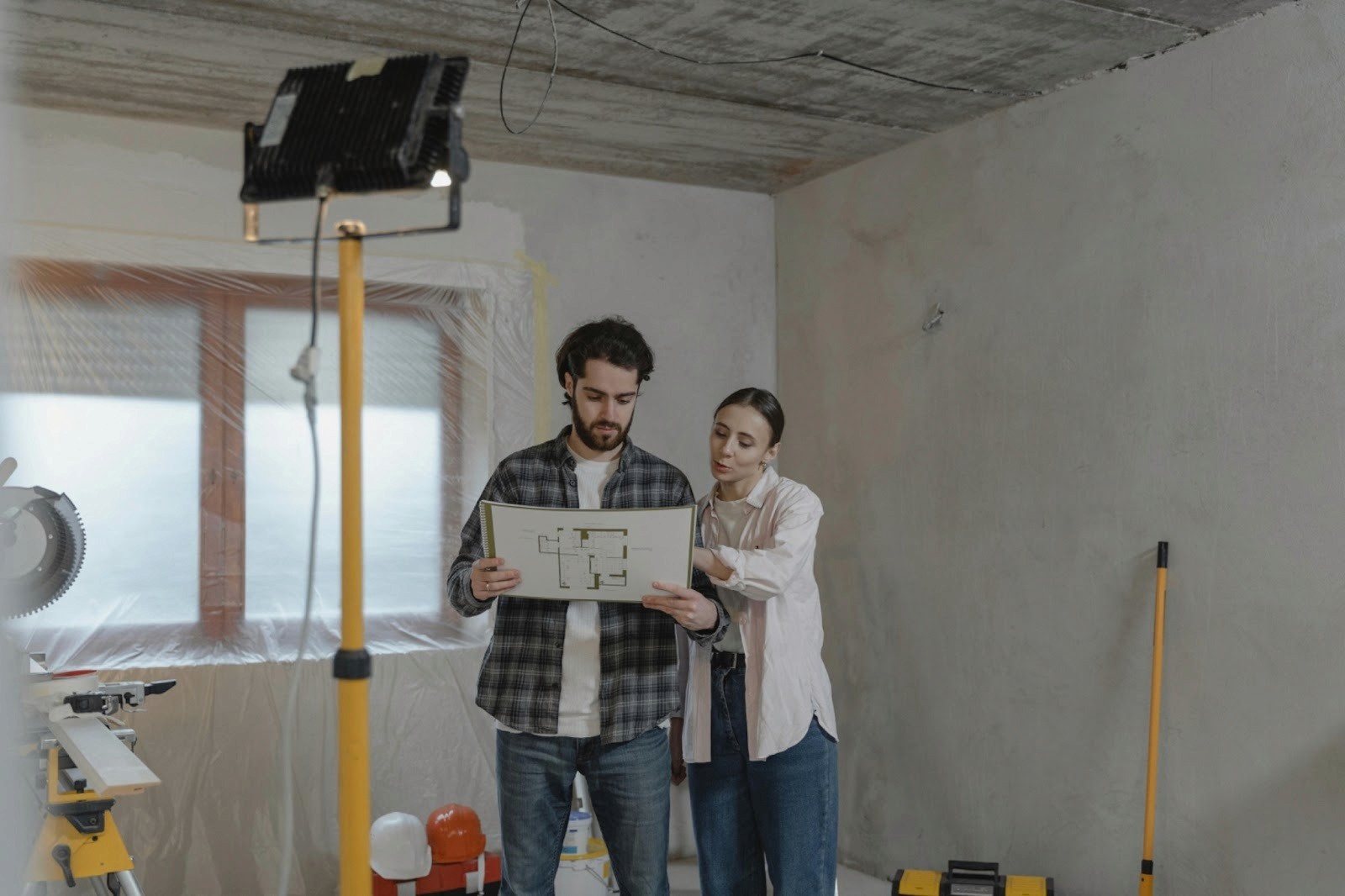
Image by Tima Miroshnichenko from Pexels
Add More Space Without Moving
One of the biggest advantages of a house addition is that it allows you to gain the space you need without the hassle and expense of relocating. Moving to a larger home involves significant costs beyond just the purchase price, including realtor fees, moving expenses, and potential school changes for children.
A room expansion project lets you stay in the neighborhood you love while adapting your current home to better meet your needs. Whether you're accommodating a growing family, creating a dedicated work-from-home space, or simply wanting more room to breathe, an addition can be the perfect solution.
Increase Home Value and Functionality
Beyond solving immediate space needs, a well-designed home extension can significantly boost your property's market value. According to real estate experts, certain room additions like master bedroom suites, kitchen expansions, and bathroom additions typically offer the best return on investment.
The increased functionality also improves your daily living experience. Imagine having a dedicated home office instead of working at the kitchen table, or a spacious family room where everyone can gather comfortably. These quality-of-life improvements are often worth the investment even beyond the potential resale value increase.
Ready to explore your room addition options?Get a free consultation with a professional design-build contractor who can help you plan your perfect space. |
|---|
Common Types of Room Additions
Room additions come in many forms, each with different costs, complexity levels, and benefits. Understanding the most common types can help you determine which might be right for your home and needs.
Bedroom Addition
Adding a bedroom is one of the most valuable home additions, especially if it includes an en-suite bathroom (creating a master suite). Bedroom additions typically cost between $25,000 and $75,000 depending on size, features, and your location.
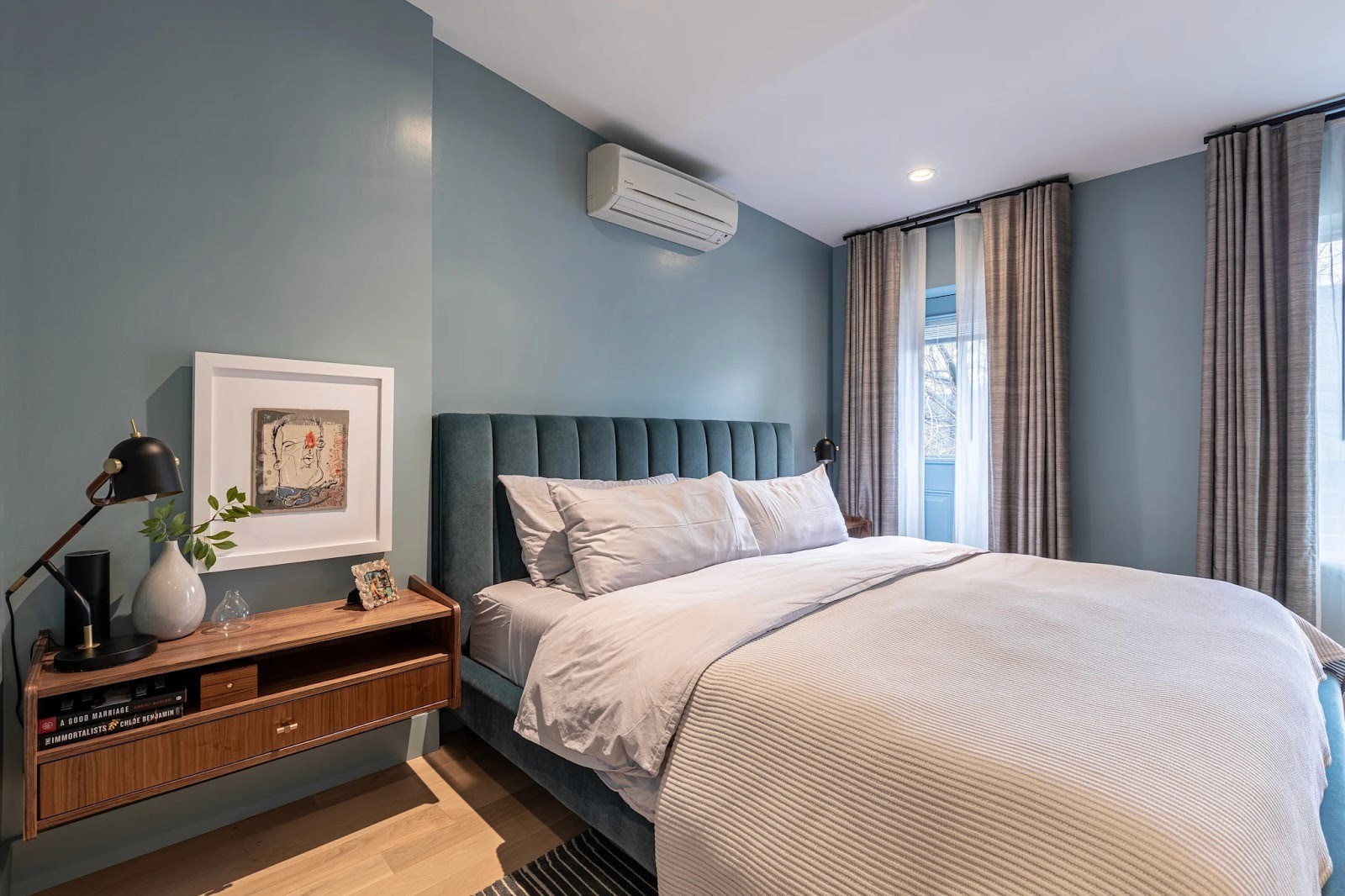
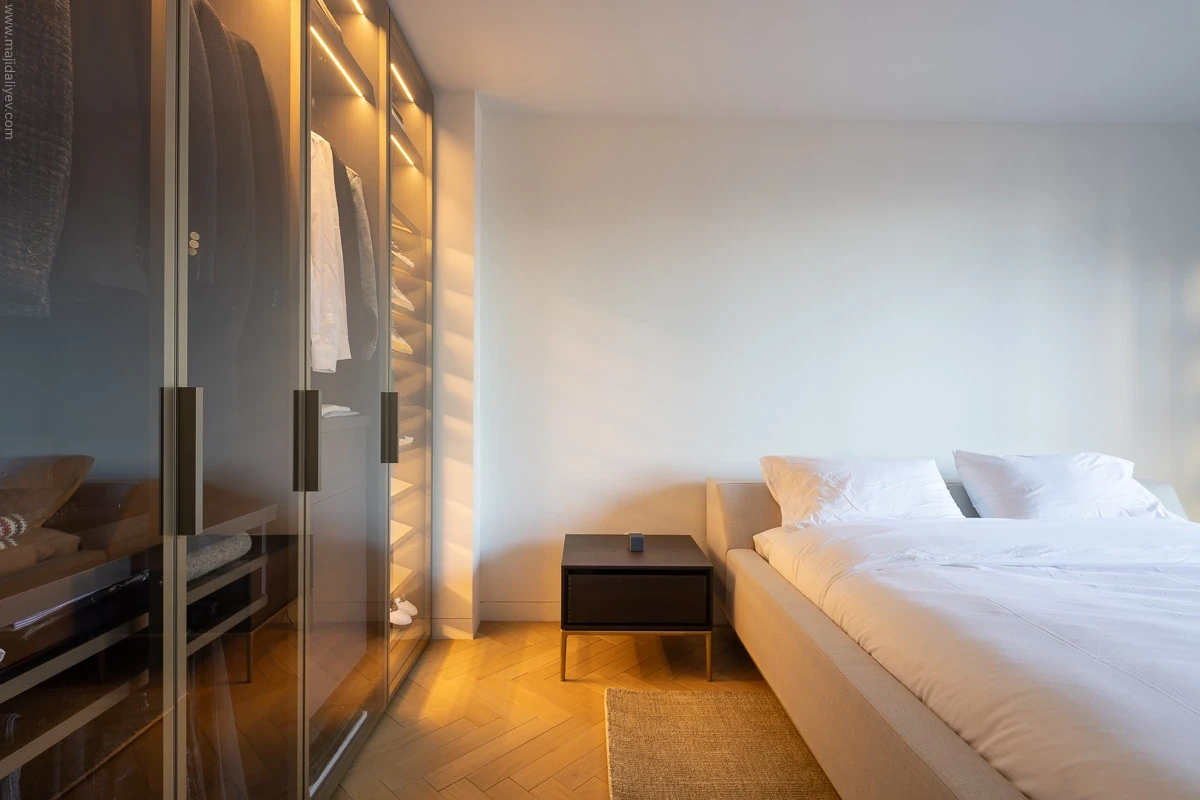
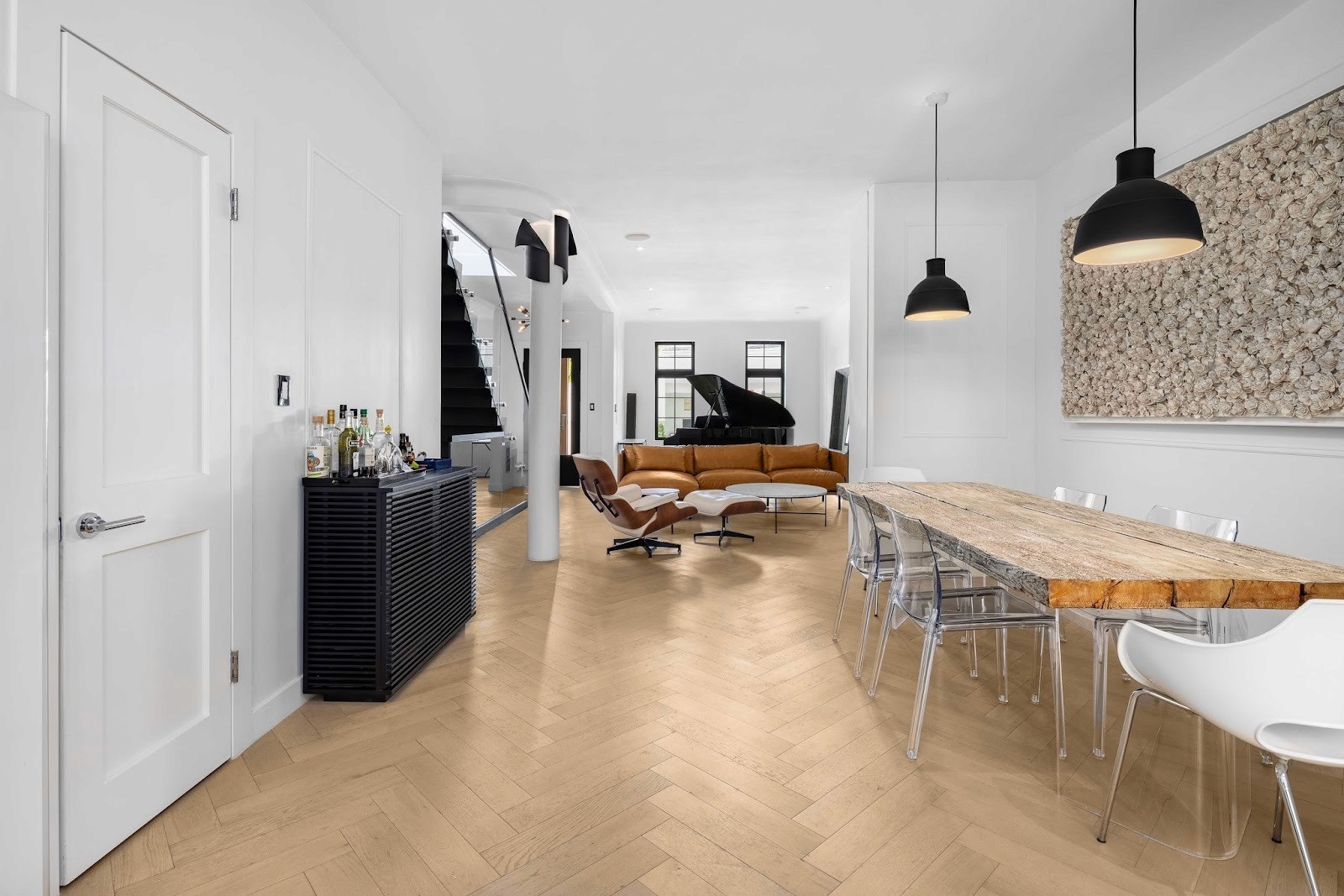
Featuring a refined townhouse interior designed and constructed by 2MO.
A bedroom addition not only provides immediate functionality but also significantly increases your home's resale value. For growing families or homeowners who frequently host guests, this type of addition solves practical needs while being a sound investment.
Sunroom or Living Room Extension
Sunrooms and family room additions create versatile living spaces that can be used for entertaining, relaxing, or as multi-purpose areas. A sunroom typically costs between $8,000 and $80,000 depending on whether it's a three-season or four-season room.
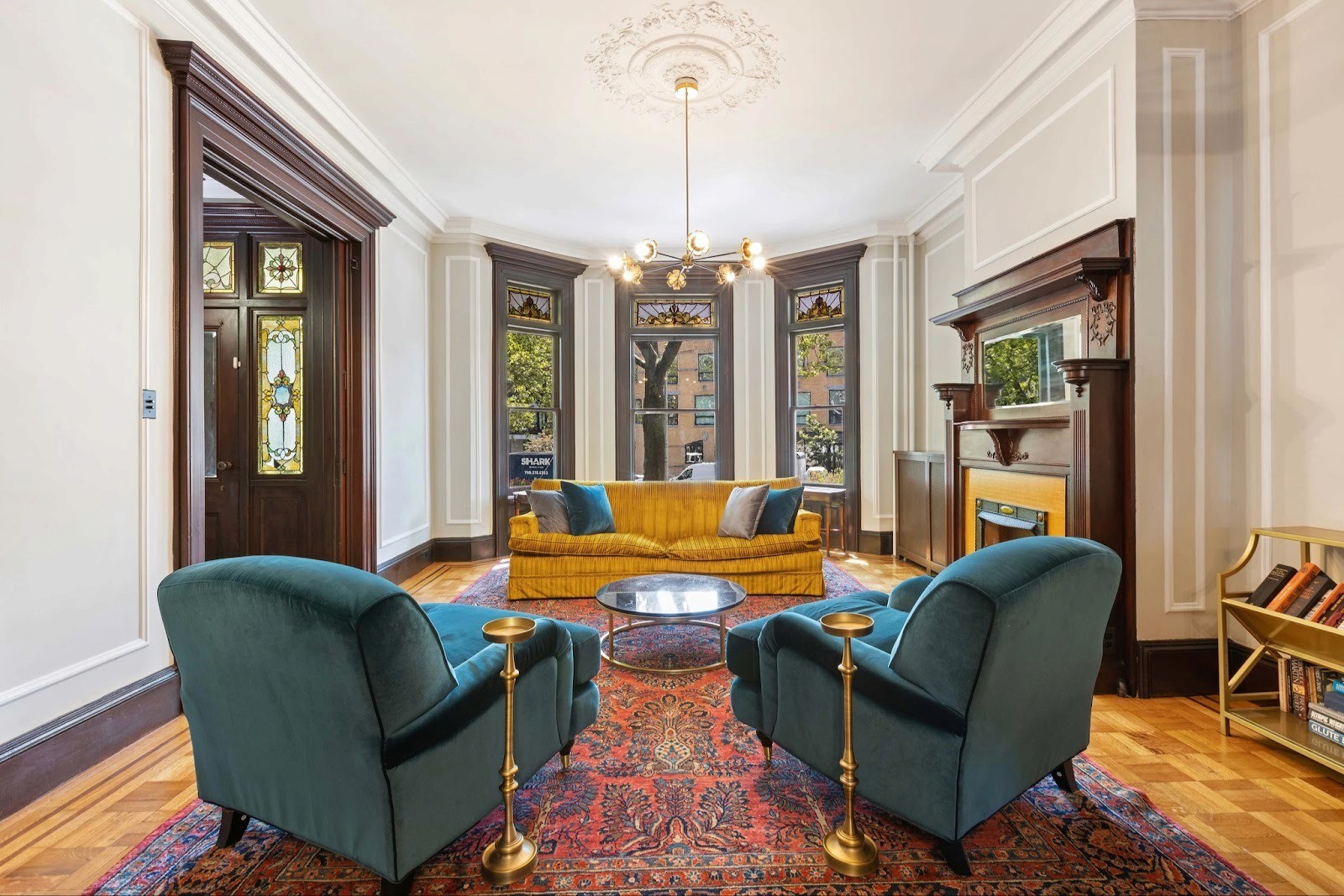
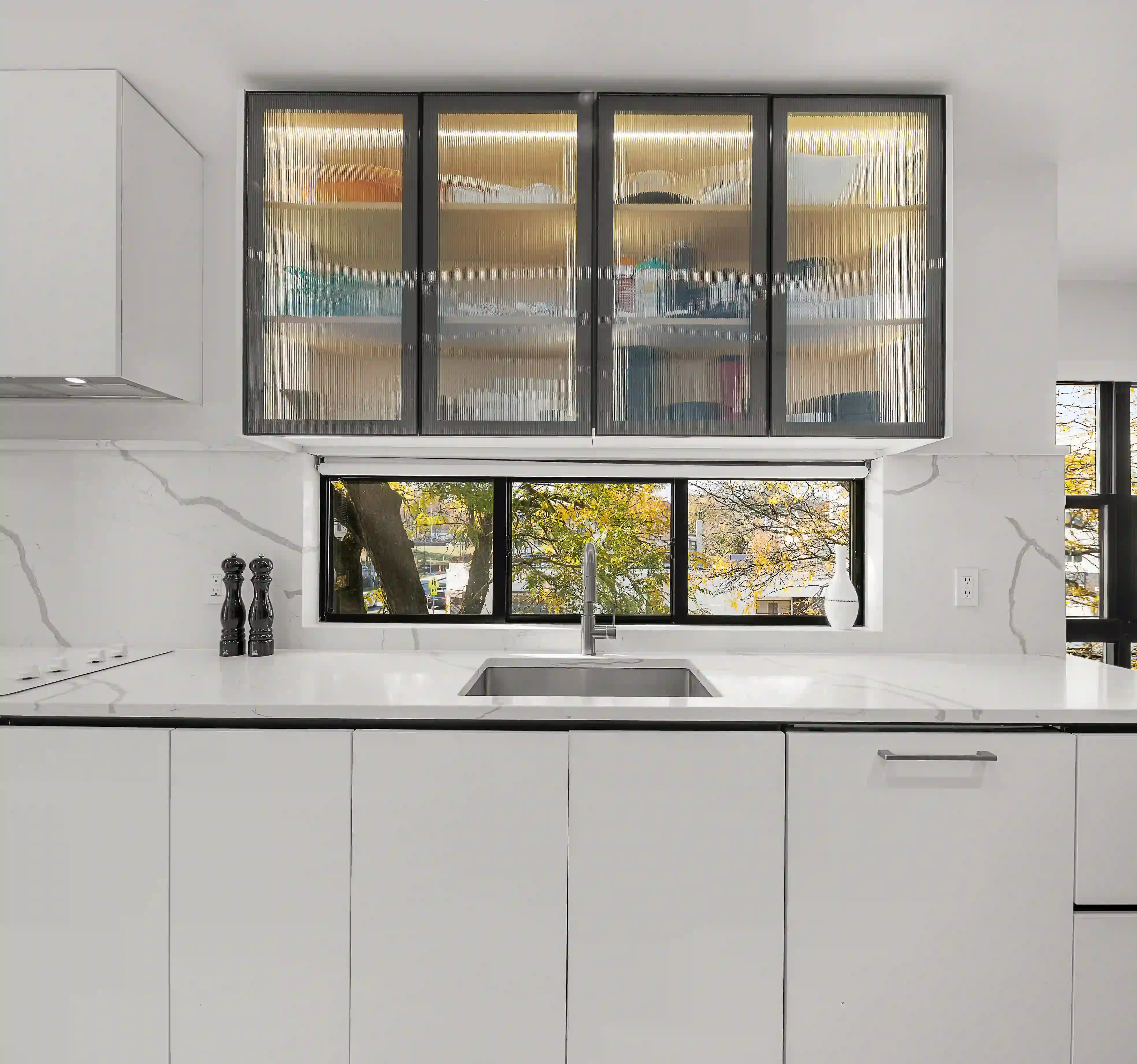
Featuring a Brooklyn townhouse renovation designed and constructed by 2MO.
Sunrooms are particularly popular because they create a bridge between indoor and outdoor living, flooding your home with natural light. A living room expansion, while typically more expensive, provides year-round usable space that integrates fully with your existing home.
Garage Conversion or ADU
Converting an existing garage or building an Accessory Dwelling Unit (ADU) can be cost-effective ways to add living space. Garage conversions typically cost between $6,000 and $27,000, while detached ADUs (sometimes called in-law suite additions) range from $40,000 to over $100,000.
These options are particularly valuable if you need a separate living space for aging parents, adult children, or rental income. A bump-out addition, which extends an existing room by a few feet, is another budget-friendly option when you need just a bit more space in a specific area.
Most Popular Room Additions
Master bedroom suite
Family room addition
Kitchen expansion
Sunroom
Home office
Budget-Friendly Options
Bump-out addition
Garage conversion
Attic conversion
Basement finishing
Three-season sunroom
Planning a Successful Room Addition
Proper planning is crucial for any room addition project. Taking the time to address key considerations before construction begins will help ensure a smoother process and better results.
Local Building Codes and Permits
Before you get too far into planning your room addition, research your local building codes and home addition permit requirements. Most jurisdictions require permits for any structural changes to your home, and the application process can take weeks or even months.

Image by Kampus Production from Pexels
Common regulations that might affect your project include:
Setback requirements (minimum distance from property lines)
Height restrictions
Lot coverage limitations
Homeowners Association (HOA) rules
Historical district guidelines
Working with a knowledgeable remodeling contractor or residential architect can help navigate these requirements and ensure your project meets all local codes.
Hiring a Design-Build Contractor
While some homeowners attempt DIY room additions, most projects benefit from professional expertise. A design-build contractor handles both the design and construction phases, providing a seamless experience and often saving time and money compared to hiring separate designers and builders.
When selecting a contractor:
Verify licenses, insurance, and certifications
Check references and review past projects
Get detailed written estimates from at least three contractors
Ensure they have experience with your specific type of addition
Discuss timeline expectations and communication preferences
Setting a Realistic Budget
Creating a detailed budget is essential for a successful room addition. Beyond the basic construction costs, remember to account for:

Image by Pixabay from Pexels
Design and architectural fees
Permit costs
Potential increases in property taxes
Furniture and fixtures for the new space
Temporary housing if needed during construction
A contingency fund (typically 10-20% of the total budget)
Room Addition Costs and Budgeting Tips
Understanding the factors that influence room addition costs can help you create a realistic budget and identify potential savings opportunities.
What Influences the Cost (Size, Materials, Location)
The cost to add a room to your house varies widely based on several key factors:
Factor | Impact on Cost | Typical Range |
|---|---|---|
Size (Square Footage) | Larger additions cost more in materials and labor | $86-$208 per square foot |
Foundation Type | Slab, crawl space, or full basement | $5-$25 per square foot |
Exterior Finishes | Matching existing home's exterior | $2-$15 per square foot |
Interior Finishes | Standard vs. luxury materials | $10-$100+ per square foot |
Location | Regional labor and material costs | 30-60% variation nationwide |
Your geographic location significantly impacts home renovation pricing. For example, the same room addition might cost $31,000 in the Midwest but over $80,000 in coastal California due to differences in labor costs, permit fees, and material prices.
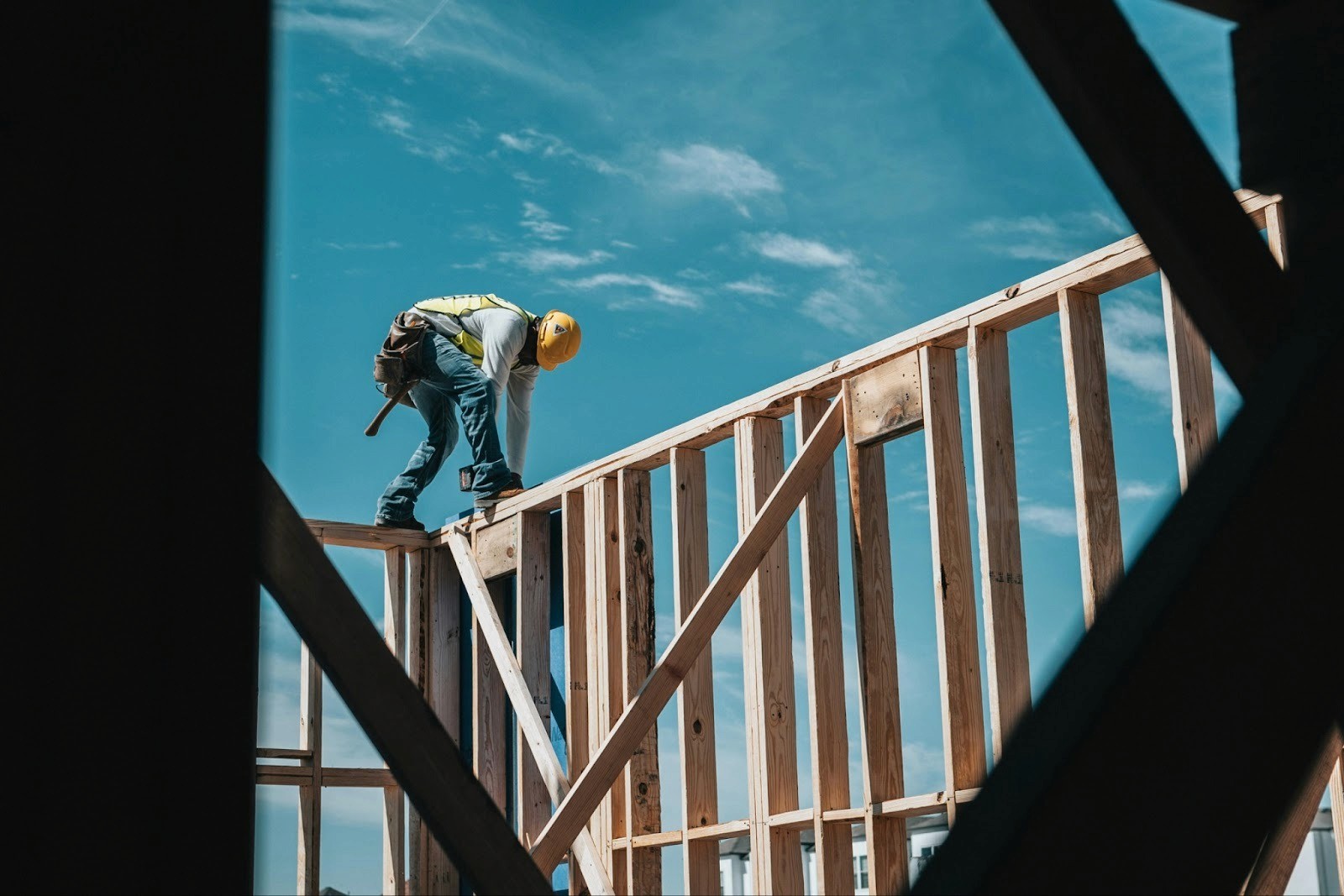
Image by Josh Olalde fromUnsplash
Ways to Save Without Sacrificing Quality
Creating a budget room addition doesn't mean cutting corners on quality. Consider these strategies to manage costs:
Design Strategies
Build out instead of up (typically less expensive)
Keep the addition's footprint simple
Position the addition to minimize plumbing runs
Consider a bump-out for small space needs
Use standard-sized windows and doors
Material & Labor Savings
Supply some materials yourself
Schedule work during contractors' off-season
Handle simple demolition or painting yourself
Choose mid-grade finishes for less visible areas
Reuse doors, fixtures, or materials when possible
Remember that certain investments, like proper insulation and quality windows, may cost more upfront but save money long-term through improved energy efficiency. A second-story addition, while typically more expensive initially, can be cost-effective when lot size constraints make building out impossible.
Design Inspiration for Seamless Additions
Creating a room addition that looks like it was always part of your home requires thoughtful design. Here are some approaches to ensure your new space blends seamlessly with your existing structure.
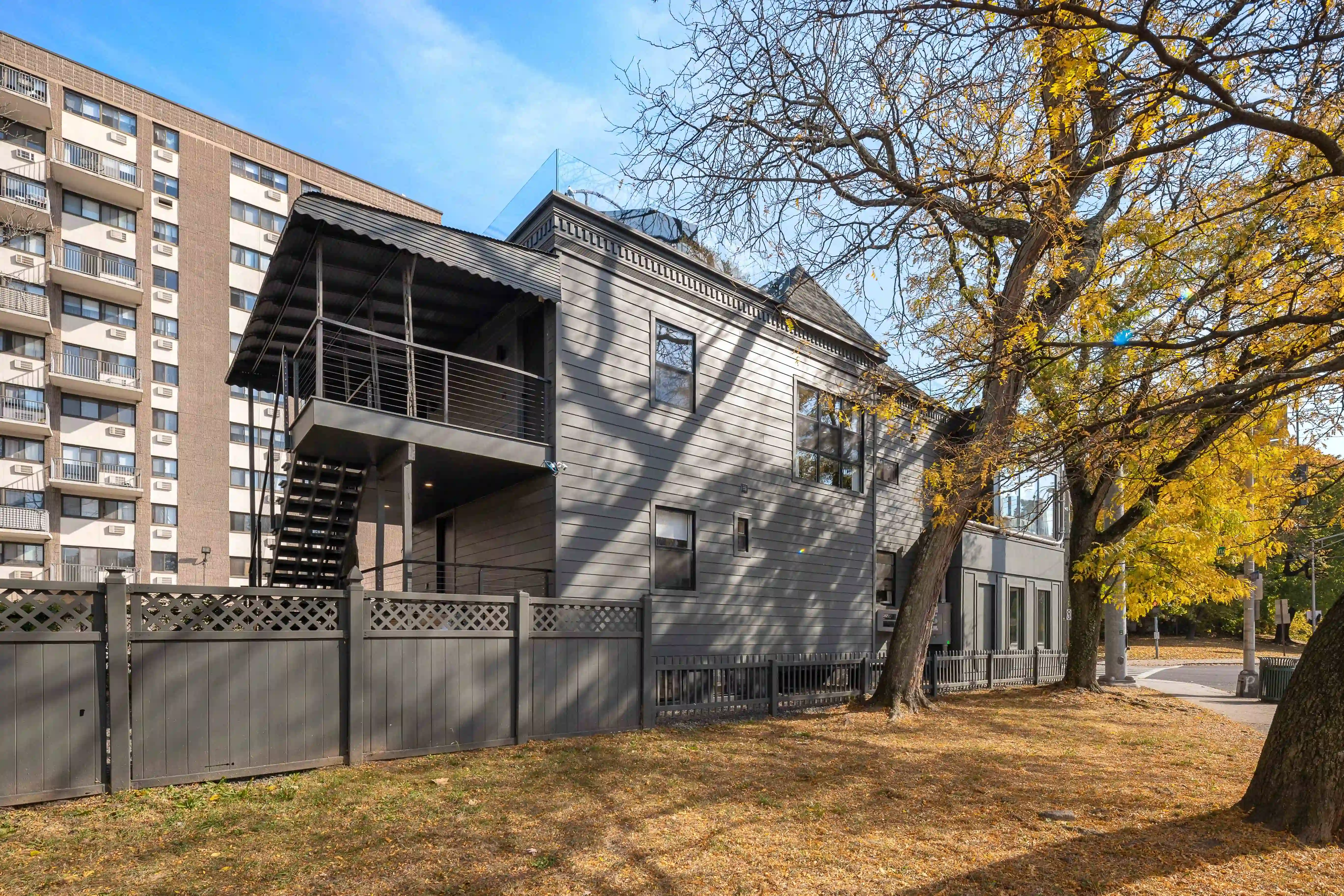
Featuring a two-family residence in Ridgewood designed and constructed by 2MO.
Exterior Considerations
For a cohesive look, match your existing home's:
Roofline and pitch
Siding or exterior finish
Window style and placement
Architectural details
Color scheme
Interior Flow
Create a natural transition by:
Matching floor heights
Continuing flooring materials
Using consistent trim styles
Ensuring proper traffic patterns
Considering sight lines throughout the home
Consider whether you want your addition to match your existing home exactly or to create a thoughtful contrast. Some of the most successful attached vs detached additions use complementary materials and design elements while still allowing the new space to have its own character.
When expanding your house, think about how the addition will affect your outdoor spaces as well. Position windows to capture the best views and natural light, and consider how the new footprint will impact your yard, gardens, and outdoor living areas.
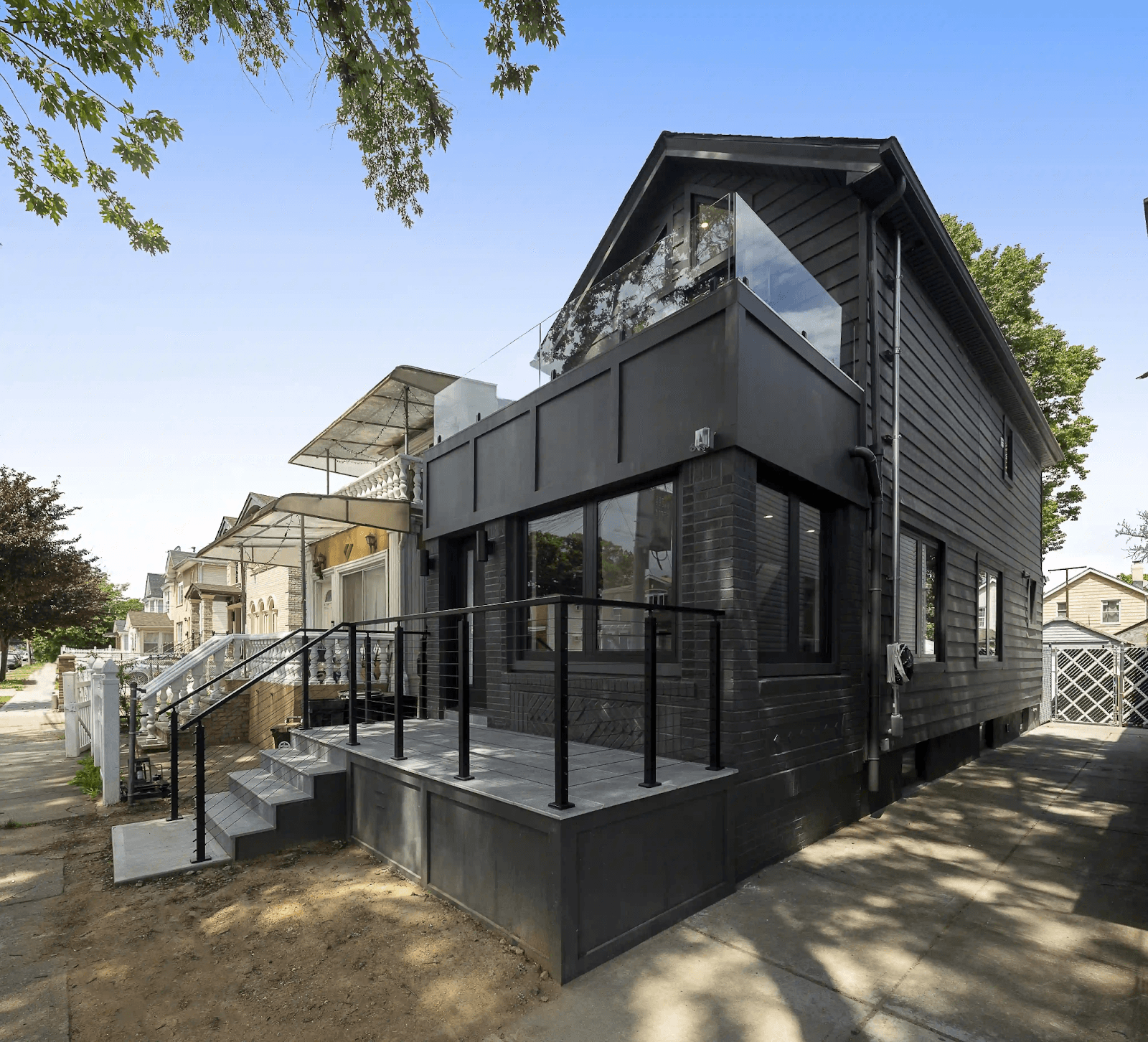
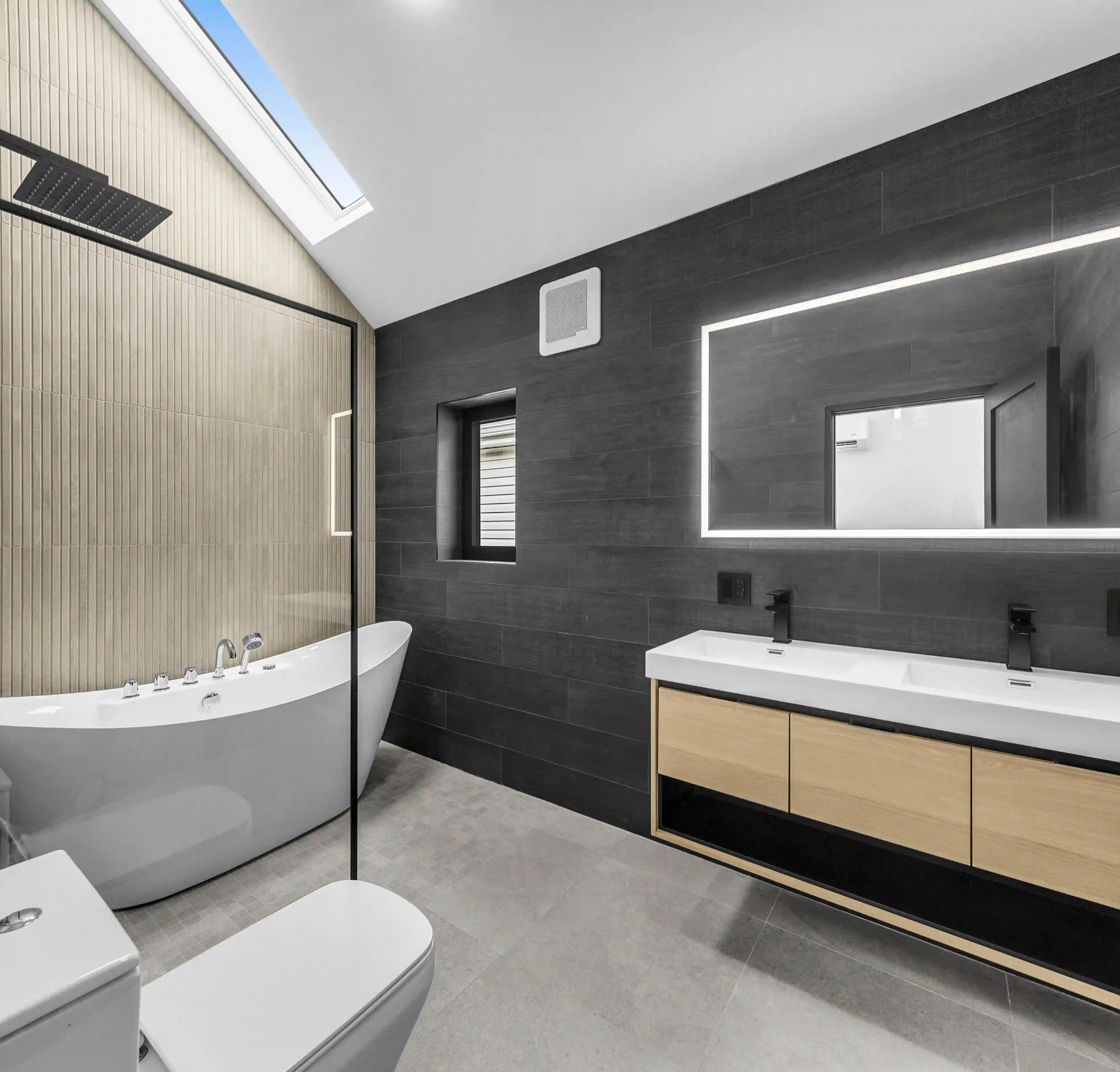
Featuring a modern urban residence constructed by 2MO.
Is it better to build up or out for a room addition?
Building out is typically less expensive and less disruptive to your daily life during construction. However, building up (adding a second story) preserves your yard space and may be necessary if lot size constraints or setback requirements limit horizontal expansion. The best approach depends on your specific property, budget, and needs.
How long does a typical room addition take?
Most room additions take between 2-6 months from start to finish, depending on size, complexity, and weather conditions. The planning and permitting phase can add several more months before construction begins. Working with an experienced contractor can help keep your project on schedule.
Will a room addition increase my property taxes?
Yes, most room additions will increase your property taxes because they add value to your home. The exact increase depends on your local tax rates and the assessed value of your addition. Consider consulting with a local tax professional to estimate the potential impact on your property taxes.
Transform Your Home with a Well-Planned Room Addition
A room addition is a significant investment that can dramatically improve your living space and increase your home's value. By understanding the different types of additions, carefully planning your project, and working with qualified professionals, you can create a beautiful and functional new space that meets your needs for years to come.
Remember to thoroughly research local building codes, set a realistic budget with a contingency fund, and choose a reputable contractor with experience in room additions. Whether you're adding a bedroom, expanding your kitchen or creating a sunroom, a thoughtful approach will help ensure your project's success.
Ready to start your room addition?Contact a licensed contractor or design-build firm to bring your vision to life. |
A well-planned room addition can transform your house into your dream home, without the need to move. Whether you're adding a new bedroom, a home office, or a larger family room, room additions offer flexibility and long-term value. In this guide, we'll walk you through the most popular types of room additions, how to plan your project, what it may cost, and how to ensure a smooth build from design to finish.
What Is a Room Addition and Why Consider One?
A room addition is a home extension project that increases your living space by adding a new room or expanding an existing one. Unlike interior renovations that reconfigure existing space, a room addition actually increases your home's square footage by building outward or upward.
Image by Tima Miroshnichenko from Pexels
Add More Space Without Moving
One of the biggest advantages of a house addition is that it allows you to gain the space you need without the hassle and expense of relocating. Moving to a larger home involves significant costs beyond just the purchase price, including realtor fees, moving expenses, and potential school changes for children.
A room expansion project lets you stay in the neighborhood you love while adapting your current home to better meet your needs. Whether you're accommodating a growing family, creating a dedicated work-from-home space, or simply wanting more room to breathe, an addition can be the perfect solution.
Increase Home Value and Functionality
Beyond solving immediate space needs, a well-designed home extension can significantly boost your property's market value. According to real estate experts, certain room additions like master bedroom suites, kitchen expansions, and bathroom additions typically offer the best return on investment.
The increased functionality also improves your daily living experience. Imagine having a dedicated home office instead of working at the kitchen table, or a spacious family room where everyone can gather comfortably. These quality-of-life improvements are often worth the investment even beyond the potential resale value increase.
Ready to explore your room addition options?Get a free consultation with a professional design-build contractor who can help you plan your perfect space. |
|---|
Common Types of Room Additions
Room additions come in many forms, each with different costs, complexity levels, and benefits. Understanding the most common types can help you determine which might be right for your home and needs.
Bedroom Addition
Adding a bedroom is one of the most valuable home additions, especially if it includes an en-suite bathroom (creating a master suite). Bedroom additions typically cost between $25,000 and $75,000 depending on size, features, and your location.
Featuring a refined townhouse interior designed and constructed by 2MO.
A bedroom addition not only provides immediate functionality but also significantly increases your home's resale value. For growing families or homeowners who frequently host guests, this type of addition solves practical needs while being a sound investment.
Sunroom or Living Room Extension
Sunrooms and family room additions create versatile living spaces that can be used for entertaining, relaxing, or as multi-purpose areas. A sunroom typically costs between $8,000 and $80,000 depending on whether it's a three-season or four-season room.
Featuring a Brooklyn townhouse renovation designed and constructed by 2MO.
Sunrooms are particularly popular because they create a bridge between indoor and outdoor living, flooding your home with natural light. A living room expansion, while typically more expensive, provides year-round usable space that integrates fully with your existing home.
Garage Conversion or ADU
Converting an existing garage or building an Accessory Dwelling Unit (ADU) can be cost-effective ways to add living space. Garage conversions typically cost between $6,000 and $27,000, while detached ADUs (sometimes called in-law suite additions) range from $40,000 to over $100,000.
These options are particularly valuable if you need a separate living space for aging parents, adult children, or rental income. A bump-out addition, which extends an existing room by a few feet, is another budget-friendly option when you need just a bit more space in a specific area.
Most Popular Room Additions
Master bedroom suite
Family room addition
Kitchen expansion
Sunroom
Home office
Budget-Friendly Options
Bump-out addition
Garage conversion
Attic conversion
Basement finishing
Three-season sunroom
Planning a Successful Room Addition
Proper planning is crucial for any room addition project. Taking the time to address key considerations before construction begins will help ensure a smoother process and better results.
Local Building Codes and Permits
Before you get too far into planning your room addition, research your local building codes and home addition permit requirements. Most jurisdictions require permits for any structural changes to your home, and the application process can take weeks or even months.
Image by Kampus Production from Pexels
Common regulations that might affect your project include:
Setback requirements (minimum distance from property lines)
Height restrictions
Lot coverage limitations
Homeowners Association (HOA) rules
Historical district guidelines
Working with a knowledgeable remodeling contractor or residential architect can help navigate these requirements and ensure your project meets all local codes.
Hiring a Design-Build Contractor
While some homeowners attempt DIY room additions, most projects benefit from professional expertise. A design-build contractor handles both the design and construction phases, providing a seamless experience and often saving time and money compared to hiring separate designers and builders.
When selecting a contractor:
Verify licenses, insurance, and certifications
Check references and review past projects
Get detailed written estimates from at least three contractors
Ensure they have experience with your specific type of addition
Discuss timeline expectations and communication preferences
Setting a Realistic Budget
Creating a detailed budget is essential for a successful room addition. Beyond the basic construction costs, remember to account for:
Image by Pixabay from Pexels
Design and architectural fees
Permit costs
Potential increases in property taxes
Furniture and fixtures for the new space
Temporary housing if needed during construction
A contingency fund (typically 10-20% of the total budget)
Room Addition Costs and Budgeting Tips
Understanding the factors that influence room addition costs can help you create a realistic budget and identify potential savings opportunities.
What Influences the Cost (Size, Materials, Location)
The cost to add a room to your house varies widely based on several key factors:
Factor | Impact on Cost | Typical Range |
|---|---|---|
Size (Square Footage) | Larger additions cost more in materials and labor | $86-$208 per square foot |
Foundation Type | Slab, crawl space, or full basement | $5-$25 per square foot |
Exterior Finishes | Matching existing home's exterior | $2-$15 per square foot |
Interior Finishes | Standard vs. luxury materials | $10-$100+ per square foot |
Location | Regional labor and material costs | 30-60% variation nationwide |
Your geographic location significantly impacts home renovation pricing. For example, the same room addition might cost $31,000 in the Midwest but over $80,000 in coastal California due to differences in labor costs, permit fees, and material prices.
Image by Josh Olalde fromUnsplash
Ways to Save Without Sacrificing Quality
Creating a budget room addition doesn't mean cutting corners on quality. Consider these strategies to manage costs:
Design Strategies
Build out instead of up (typically less expensive)
Keep the addition's footprint simple
Position the addition to minimize plumbing runs
Consider a bump-out for small space needs
Use standard-sized windows and doors
Material & Labor Savings
Supply some materials yourself
Schedule work during contractors' off-season
Handle simple demolition or painting yourself
Choose mid-grade finishes for less visible areas
Reuse doors, fixtures, or materials when possible
Remember that certain investments, like proper insulation and quality windows, may cost more upfront but save money long-term through improved energy efficiency. A second-story addition, while typically more expensive initially, can be cost-effective when lot size constraints make building out impossible.
Design Inspiration for Seamless Additions
Creating a room addition that looks like it was always part of your home requires thoughtful design. Here are some approaches to ensure your new space blends seamlessly with your existing structure.
Featuring a two-family residence in Ridgewood designed and constructed by 2MO.
Exterior Considerations
For a cohesive look, match your existing home's:
Roofline and pitch
Siding or exterior finish
Window style and placement
Architectural details
Color scheme
Interior Flow
Create a natural transition by:
Matching floor heights
Continuing flooring materials
Using consistent trim styles
Ensuring proper traffic patterns
Considering sight lines throughout the home
Consider whether you want your addition to match your existing home exactly or to create a thoughtful contrast. Some of the most successful attached vs detached additions use complementary materials and design elements while still allowing the new space to have its own character.
When expanding your house, think about how the addition will affect your outdoor spaces as well. Position windows to capture the best views and natural light, and consider how the new footprint will impact your yard, gardens, and outdoor living areas.
Featuring a modern urban residence constructed by 2MO.
Is it better to build up or out for a room addition?
Building out is typically less expensive and less disruptive to your daily life during construction. However, building up (adding a second story) preserves your yard space and may be necessary if lot size constraints or setback requirements limit horizontal expansion. The best approach depends on your specific property, budget, and needs.
How long does a typical room addition take?
Most room additions take between 2-6 months from start to finish, depending on size, complexity, and weather conditions. The planning and permitting phase can add several more months before construction begins. Working with an experienced contractor can help keep your project on schedule.
Will a room addition increase my property taxes?
Yes, most room additions will increase your property taxes because they add value to your home. The exact increase depends on your local tax rates and the assessed value of your addition. Consider consulting with a local tax professional to estimate the potential impact on your property taxes.
Transform Your Home with a Well-Planned Room Addition
A room addition is a significant investment that can dramatically improve your living space and increase your home's value. By understanding the different types of additions, carefully planning your project, and working with qualified professionals, you can create a beautiful and functional new space that meets your needs for years to come.
Remember to thoroughly research local building codes, set a realistic budget with a contingency fund, and choose a reputable contractor with experience in room additions. Whether you're adding a bedroom, expanding your kitchen or creating a sunroom, a thoughtful approach will help ensure your project's success.
Ready to start your room addition?Contact a licensed contractor or design-build firm to bring your vision to life. |
A well-planned room addition can transform your house into your dream home, without the need to move. Whether you're adding a new bedroom, a home office, or a larger family room, room additions offer flexibility and long-term value. In this guide, we'll walk you through the most popular types of room additions, how to plan your project, what it may cost, and how to ensure a smooth build from design to finish.
What Is a Room Addition and Why Consider One?
A room addition is a home extension project that increases your living space by adding a new room or expanding an existing one. Unlike interior renovations that reconfigure existing space, a room addition actually increases your home's square footage by building outward or upward.
Image by Tima Miroshnichenko from Pexels
Add More Space Without Moving
One of the biggest advantages of a house addition is that it allows you to gain the space you need without the hassle and expense of relocating. Moving to a larger home involves significant costs beyond just the purchase price, including realtor fees, moving expenses, and potential school changes for children.
A room expansion project lets you stay in the neighborhood you love while adapting your current home to better meet your needs. Whether you're accommodating a growing family, creating a dedicated work-from-home space, or simply wanting more room to breathe, an addition can be the perfect solution.
Increase Home Value and Functionality
Beyond solving immediate space needs, a well-designed home extension can significantly boost your property's market value. According to real estate experts, certain room additions like master bedroom suites, kitchen expansions, and bathroom additions typically offer the best return on investment.
The increased functionality also improves your daily living experience. Imagine having a dedicated home office instead of working at the kitchen table, or a spacious family room where everyone can gather comfortably. These quality-of-life improvements are often worth the investment even beyond the potential resale value increase.
Ready to explore your room addition options?Get a free consultation with a professional design-build contractor who can help you plan your perfect space. |
|---|
Common Types of Room Additions
Room additions come in many forms, each with different costs, complexity levels, and benefits. Understanding the most common types can help you determine which might be right for your home and needs.
Bedroom Addition
Adding a bedroom is one of the most valuable home additions, especially if it includes an en-suite bathroom (creating a master suite). Bedroom additions typically cost between $25,000 and $75,000 depending on size, features, and your location.
Featuring a refined townhouse interior designed and constructed by 2MO.
A bedroom addition not only provides immediate functionality but also significantly increases your home's resale value. For growing families or homeowners who frequently host guests, this type of addition solves practical needs while being a sound investment.
Sunroom or Living Room Extension
Sunrooms and family room additions create versatile living spaces that can be used for entertaining, relaxing, or as multi-purpose areas. A sunroom typically costs between $8,000 and $80,000 depending on whether it's a three-season or four-season room.
Featuring a Brooklyn townhouse renovation designed and constructed by 2MO.
Sunrooms are particularly popular because they create a bridge between indoor and outdoor living, flooding your home with natural light. A living room expansion, while typically more expensive, provides year-round usable space that integrates fully with your existing home.
Garage Conversion or ADU
Converting an existing garage or building an Accessory Dwelling Unit (ADU) can be cost-effective ways to add living space. Garage conversions typically cost between $6,000 and $27,000, while detached ADUs (sometimes called in-law suite additions) range from $40,000 to over $100,000.
These options are particularly valuable if you need a separate living space for aging parents, adult children, or rental income. A bump-out addition, which extends an existing room by a few feet, is another budget-friendly option when you need just a bit more space in a specific area.
Most Popular Room Additions
Master bedroom suite
Family room addition
Kitchen expansion
Sunroom
Home office
Budget-Friendly Options
Bump-out addition
Garage conversion
Attic conversion
Basement finishing
Three-season sunroom
Planning a Successful Room Addition
Proper planning is crucial for any room addition project. Taking the time to address key considerations before construction begins will help ensure a smoother process and better results.
Local Building Codes and Permits
Before you get too far into planning your room addition, research your local building codes and home addition permit requirements. Most jurisdictions require permits for any structural changes to your home, and the application process can take weeks or even months.
Image by Kampus Production from Pexels
Common regulations that might affect your project include:
Setback requirements (minimum distance from property lines)
Height restrictions
Lot coverage limitations
Homeowners Association (HOA) rules
Historical district guidelines
Working with a knowledgeable remodeling contractor or residential architect can help navigate these requirements and ensure your project meets all local codes.
Hiring a Design-Build Contractor
While some homeowners attempt DIY room additions, most projects benefit from professional expertise. A design-build contractor handles both the design and construction phases, providing a seamless experience and often saving time and money compared to hiring separate designers and builders.
When selecting a contractor:
Verify licenses, insurance, and certifications
Check references and review past projects
Get detailed written estimates from at least three contractors
Ensure they have experience with your specific type of addition
Discuss timeline expectations and communication preferences
Setting a Realistic Budget
Creating a detailed budget is essential for a successful room addition. Beyond the basic construction costs, remember to account for:
Image by Pixabay from Pexels
Design and architectural fees
Permit costs
Potential increases in property taxes
Furniture and fixtures for the new space
Temporary housing if needed during construction
A contingency fund (typically 10-20% of the total budget)
Room Addition Costs and Budgeting Tips
Understanding the factors that influence room addition costs can help you create a realistic budget and identify potential savings opportunities.
What Influences the Cost (Size, Materials, Location)
The cost to add a room to your house varies widely based on several key factors:
Factor | Impact on Cost | Typical Range |
|---|---|---|
Size (Square Footage) | Larger additions cost more in materials and labor | $86-$208 per square foot |
Foundation Type | Slab, crawl space, or full basement | $5-$25 per square foot |
Exterior Finishes | Matching existing home's exterior | $2-$15 per square foot |
Interior Finishes | Standard vs. luxury materials | $10-$100+ per square foot |
Location | Regional labor and material costs | 30-60% variation nationwide |
Your geographic location significantly impacts home renovation pricing. For example, the same room addition might cost $31,000 in the Midwest but over $80,000 in coastal California due to differences in labor costs, permit fees, and material prices.
Image by Josh Olalde fromUnsplash
Ways to Save Without Sacrificing Quality
Creating a budget room addition doesn't mean cutting corners on quality. Consider these strategies to manage costs:
Design Strategies
Build out instead of up (typically less expensive)
Keep the addition's footprint simple
Position the addition to minimize plumbing runs
Consider a bump-out for small space needs
Use standard-sized windows and doors
Material & Labor Savings
Supply some materials yourself
Schedule work during contractors' off-season
Handle simple demolition or painting yourself
Choose mid-grade finishes for less visible areas
Reuse doors, fixtures, or materials when possible
Remember that certain investments, like proper insulation and quality windows, may cost more upfront but save money long-term through improved energy efficiency. A second-story addition, while typically more expensive initially, can be cost-effective when lot size constraints make building out impossible.
Design Inspiration for Seamless Additions
Creating a room addition that looks like it was always part of your home requires thoughtful design. Here are some approaches to ensure your new space blends seamlessly with your existing structure.
Featuring a two-family residence in Ridgewood designed and constructed by 2MO.
Exterior Considerations
For a cohesive look, match your existing home's:
Roofline and pitch
Siding or exterior finish
Window style and placement
Architectural details
Color scheme
Interior Flow
Create a natural transition by:
Matching floor heights
Continuing flooring materials
Using consistent trim styles
Ensuring proper traffic patterns
Considering sight lines throughout the home
Consider whether you want your addition to match your existing home exactly or to create a thoughtful contrast. Some of the most successful attached vs detached additions use complementary materials and design elements while still allowing the new space to have its own character.
When expanding your house, think about how the addition will affect your outdoor spaces as well. Position windows to capture the best views and natural light, and consider how the new footprint will impact your yard, gardens, and outdoor living areas.
Featuring a modern urban residence constructed by 2MO.
Is it better to build up or out for a room addition?
Building out is typically less expensive and less disruptive to your daily life during construction. However, building up (adding a second story) preserves your yard space and may be necessary if lot size constraints or setback requirements limit horizontal expansion. The best approach depends on your specific property, budget, and needs.
How long does a typical room addition take?
Most room additions take between 2-6 months from start to finish, depending on size, complexity, and weather conditions. The planning and permitting phase can add several more months before construction begins. Working with an experienced contractor can help keep your project on schedule.
Will a room addition increase my property taxes?
Yes, most room additions will increase your property taxes because they add value to your home. The exact increase depends on your local tax rates and the assessed value of your addition. Consider consulting with a local tax professional to estimate the potential impact on your property taxes.
Transform Your Home with a Well-Planned Room Addition
A room addition is a significant investment that can dramatically improve your living space and increase your home's value. By understanding the different types of additions, carefully planning your project, and working with qualified professionals, you can create a beautiful and functional new space that meets your needs for years to come.
Remember to thoroughly research local building codes, set a realistic budget with a contingency fund, and choose a reputable contractor with experience in room additions. Whether you're adding a bedroom, expanding your kitchen or creating a sunroom, a thoughtful approach will help ensure your project's success.
Ready to start your room addition?Contact a licensed contractor or design-build firm to bring your vision to life. |
Ready to start your room addition?
Contact a licensed contractor or design-build firm to bring your vision to life.
Find a Qualified Contractor

Transform Your Space with 2MO Studio
In the competitive landscape of Design-Build firms NYC offers, 2MO Studio stands out through our commitment to craftsmanship, transparent communication, and a streamlined process. Whether you’re planning a kitchen renovation, a complete home transformation, or a commercial space upgrade, our integrated approach eliminates the common frustrations of construction projects while delivering exceptional results.
By combining design expertise with construction knowledge under one roof, 2MO Studio creates spaces that are not only beautiful but also functional and built to last. Our deep understanding of New York City and Westchester’s unique challenges ensures that your project navigates local regulations smoothly while addressing the specific characteristics of your building or neighborhood.
CUSTOMER REVIEW
5.0
"We hired 2MO to work on our brand new flagship store on 99 Madison Avenue, and we could not be happier with their service."
Roberto De Franceschi
Managing Director - Boffi | De Padova New York

5 Stars (32 reviews)

5 Stars (22 reviews)
YOU MAY ALSO LIKE