December 26th, 2025
Home Addition Design Ideas for Style and Function
Home Addition Design Ideas for Style and Function
Home Addition Design Ideas for Style and Function
Explore smart home addition ideas to expand your space with style. Learn how to design seamless, functional extensions that boost home value.
Explore smart home addition ideas to expand your space with style. Learn how to design seamless, functional extensions that boost home value.

A well-thought-out home addition design can completely transform your space, giving you the extra room you need without sacrificing style or flow. Whether you're adding a bedroom, expanding the kitchen, or building upward with a second story, the design process is crucial for blending the old with the new. In this guide, we'll walk you through key types of home additions, the design principles behind successful projects, and how working with the right professionals can ensure a seamless transformation.
Why Good Home Addition Design Matters
Blending New Space Seamlessly With the Old
The most successful home additions don't look like additions at all. When designing a house addition, the goal is to create a space that appears as though it was always part of the original structure. This requires careful attention to architectural details, rooflines, window placement, and exterior finishes.
A seamless home expansion maintains the character and style of your existing home while adding valuable square footage. This integration not only preserves your home's aesthetic appeal but also maximizes its market value should you decide to sell in the future.
Improving Function, Flow, and Long-Term Value
Beyond aesthetics, functional home design plans consider how you'll actually use the new space. The best additions improve traffic flow throughout your home, enhance natural light, and address specific lifestyle needs that your current layout can't accommodate.
A thoughtfully designed addition can transform how you experience your home daily. Whether it's creating a more spacious kitchen for family gatherings, adding a primary suite for privacy, or building a home office for productivity, good design aligns with how you live.
Popular Types of Home Additions
Second-Story Additions
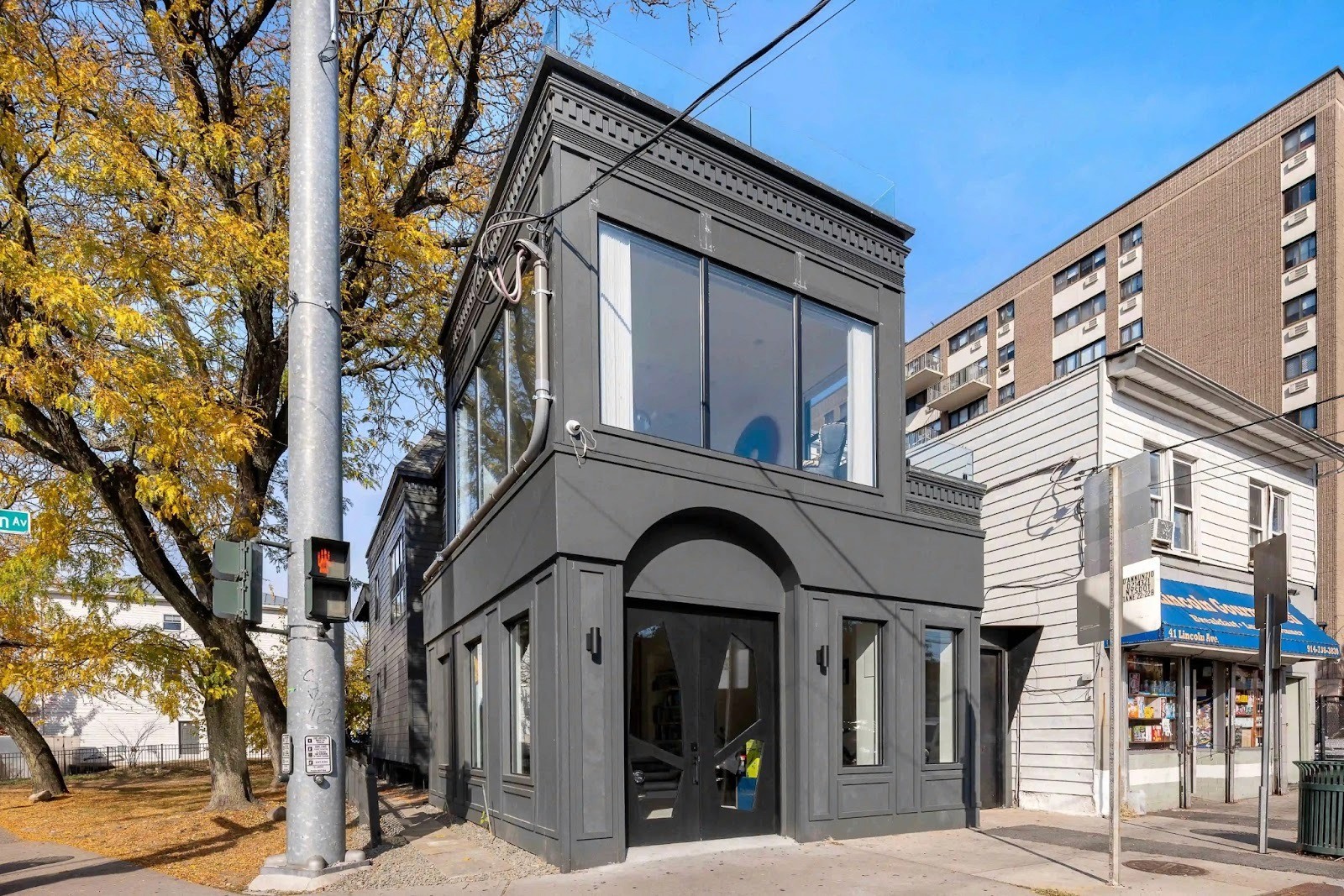
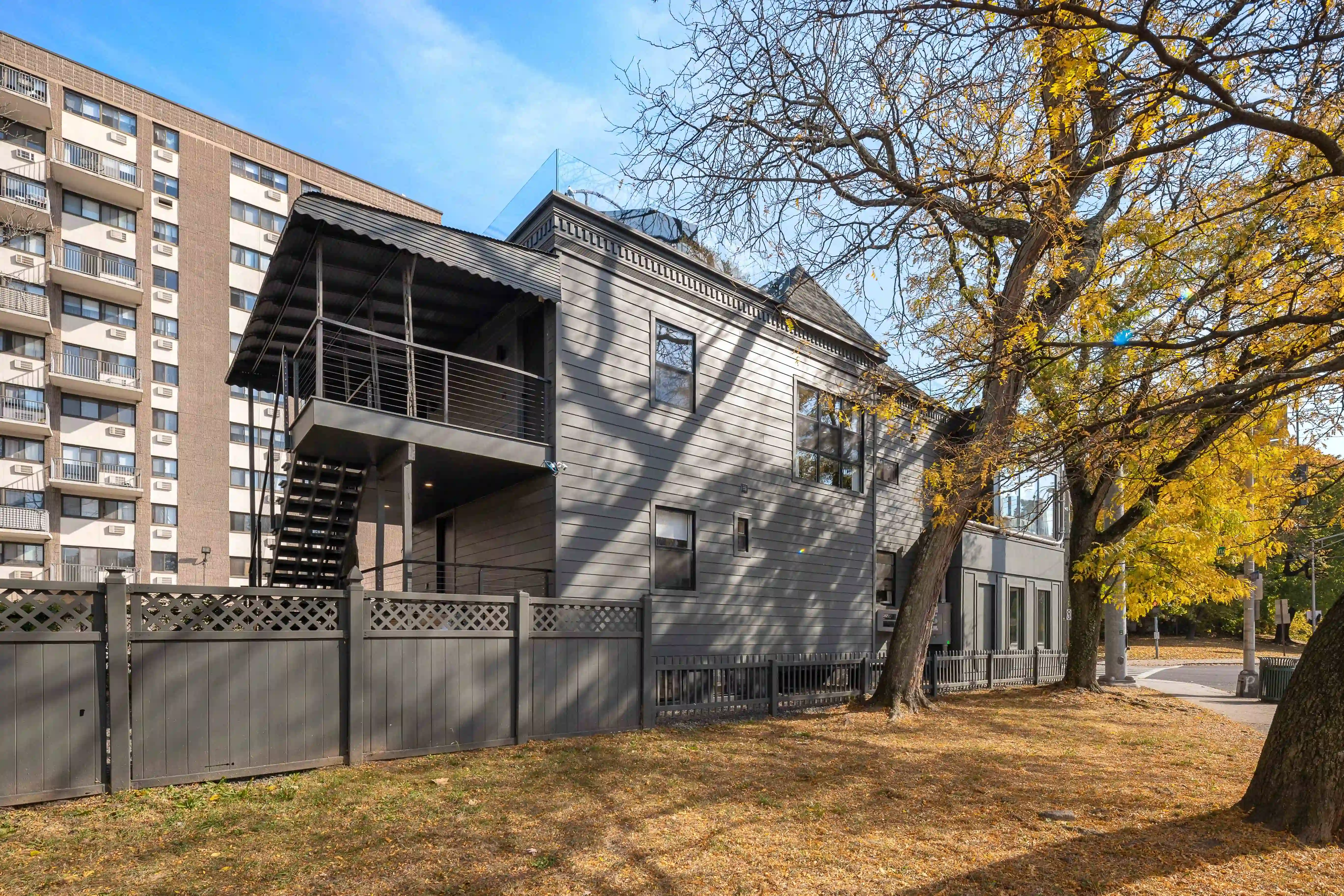
Featuring the A Reimagined Facade with Historic Geometry constructed by 2MO.
When lot size constraints make expanding outward impossible, building up offers a practical solution. Second-story additions can double your living space without sacrificing yard area, making them ideal for urban and suburban homes on smaller lots.
These custom home additions typically include bedrooms, bathrooms, or even a complete primary suite. The key to successful second-story design is ensuring proper structural support and creating a cohesive exterior appearance that doesn't look top-heavy or mismatched.
Rear Extensions or Sunrooms
Rear extensions and sunrooms are among the most popular room extension ideas because they typically don't affect your home's street appearance. These additions can house expanded kitchens, family rooms, or light-filled sunrooms that connect indoor and outdoor living.
The best rear additions consider space planning for home expansion by creating a natural flow between existing rooms and new spaces. They also maximize natural light and views while maintaining privacy from neighboring properties.
Garage Conversions and In-Law Suites
Converting an existing garage or adding a dedicated in-law suite provides flexible living space for extended family, guests, or rental income. These additions typically include a bedroom, bathroom, and sometimes a kitchenette or living area.
The design challenge with these spaces is creating independent living areas that still connect harmoniously with the main home. Successful conversions address separate entrances, sound insulation, and privacy concerns while maintaining the home's overall aesthetic.
Key Principles of Smart Home Addition Design
Matching Architectural Style and Materials
The most successful home addition floor plans prioritize consistency with your existing architecture. This means matching rooflines, eaves, siding materials, window styles, and even the proportion and scale of architectural elements.
While exact matches aren't always possible (especially with older homes), skilled designers can create complementary transitions that honor your home's character. Sometimes, strategic contrasts can work when they're intentionally designed as a visual "bridge" between old and new sections.
Maximizing Natural Light and Flow
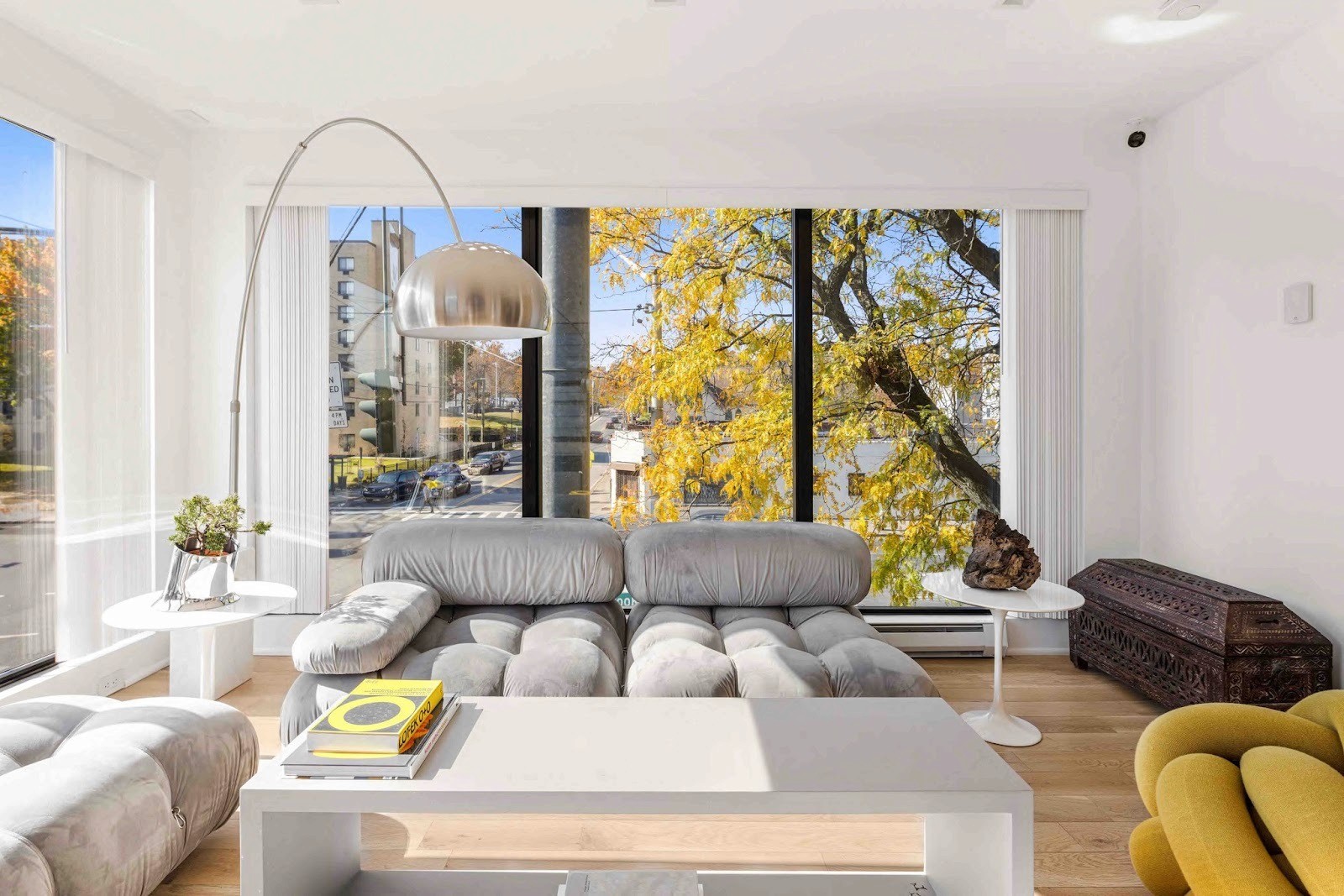
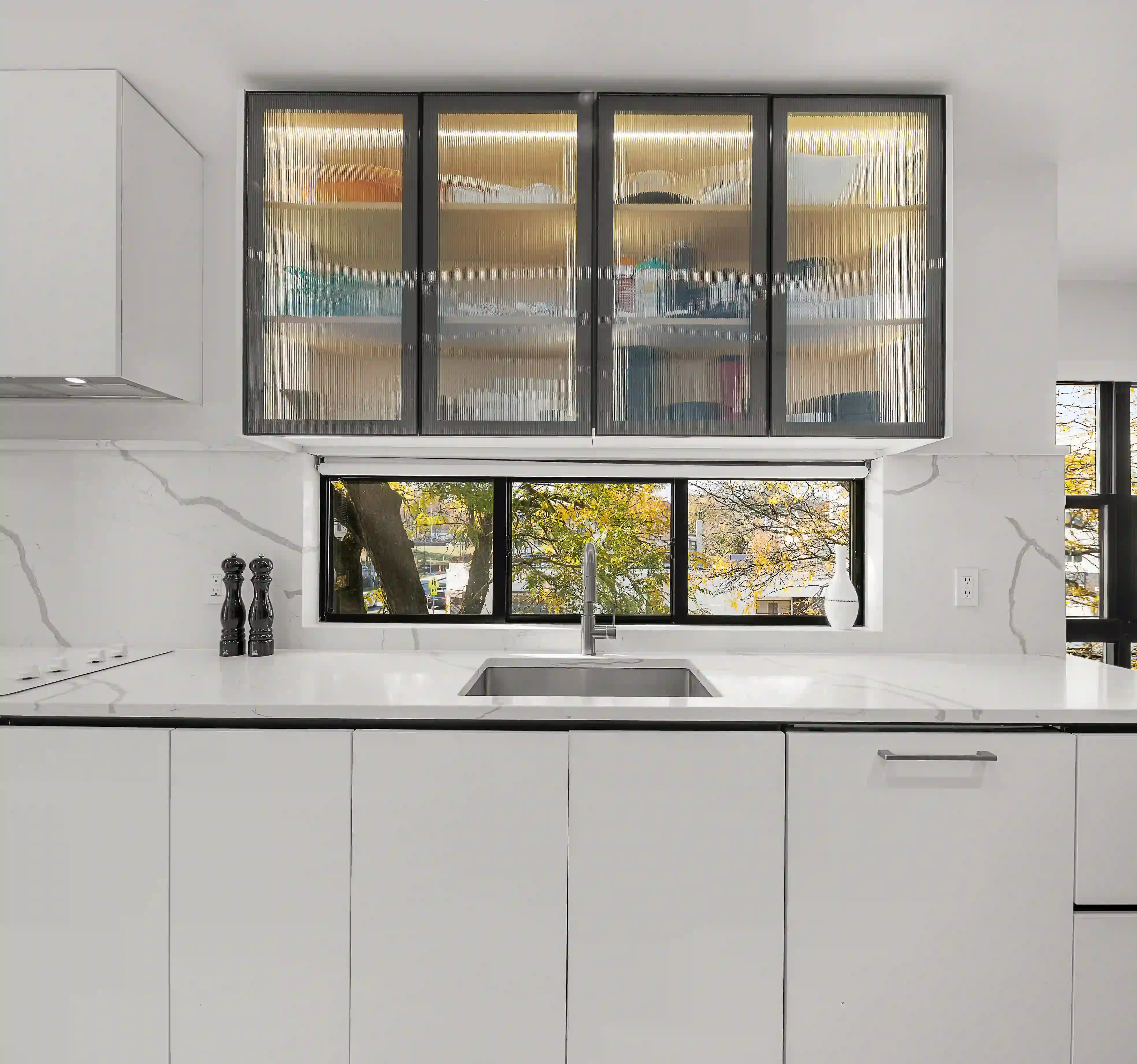
Featuring the Lincoln Residence designed and constructed by 2MO.
House layout changes should enhance, not hinder, your home's natural light and circulation patterns. Well-designed additions incorporate strategic window placement, open floor plans, and transitional spaces that guide movement naturally between old and new areas.
Consider how doors, hallways, and room arrangements affect daily traffic patterns. The best architectural design for additions creates intuitive pathways that make sense for how you actually live in and move through your home.
Considering Zoning Laws and Setbacks
Before getting too attached to any design concept, research your local building codes and zoning regulations. These rules dictate how close you can build to property lines, maximum building heights, and sometimes even aesthetic requirements for your neighborhood.
Working with professionals familiar with local codes can save significant time and frustration. They can help navigate setback requirements, height restrictions, and permit processes that might otherwise derail your project.
Need Help Navigating Building Codes?Local zoning laws and building codes can be complex. Our team of experienced designers can help you understand what's possible for your specific property. |
|---|
Working With a Home Addition Designer or Architect
Why Professional Design Pays Off
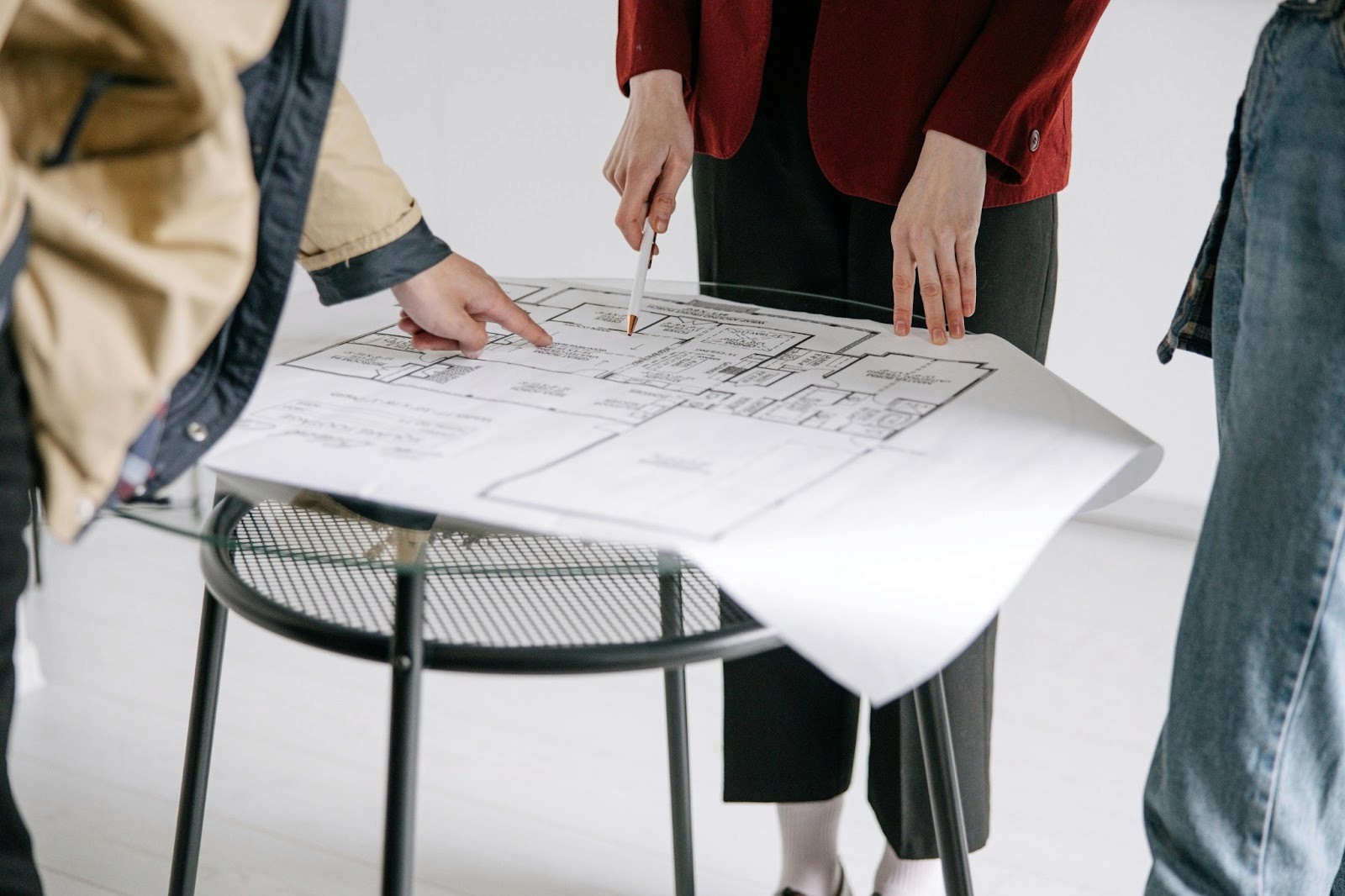
Image by Ivan Samkov fromPexels
While DIY design might seem cost-effective initially, professional residential architects bring invaluable expertise to home addition projects. They identify potential issues before construction begins, optimize space efficiency, and often suggest solutions you might not have considered.
Professional designers also understand the technical aspects of structural support, HVAC integration, electrical requirements, and plumbing considerations that affect both functionality and budget. Their expertise typically saves money in the long run by preventing costly mistakes and redesigns.
Getting Plans Approved and Permitted

Image by Jakub Zerdzicki from Pexels
The permitting process can be one of the most challenging aspects of home addition projects. Home designer services include creating the detailed documentation required by building departments and often managing the permit application process.
Professional designers familiar with local building departments understand common approval hurdles and how to address them proactively. This expertise can significantly reduce the time between design and breaking ground on your project.
Real-World Design Inspiration
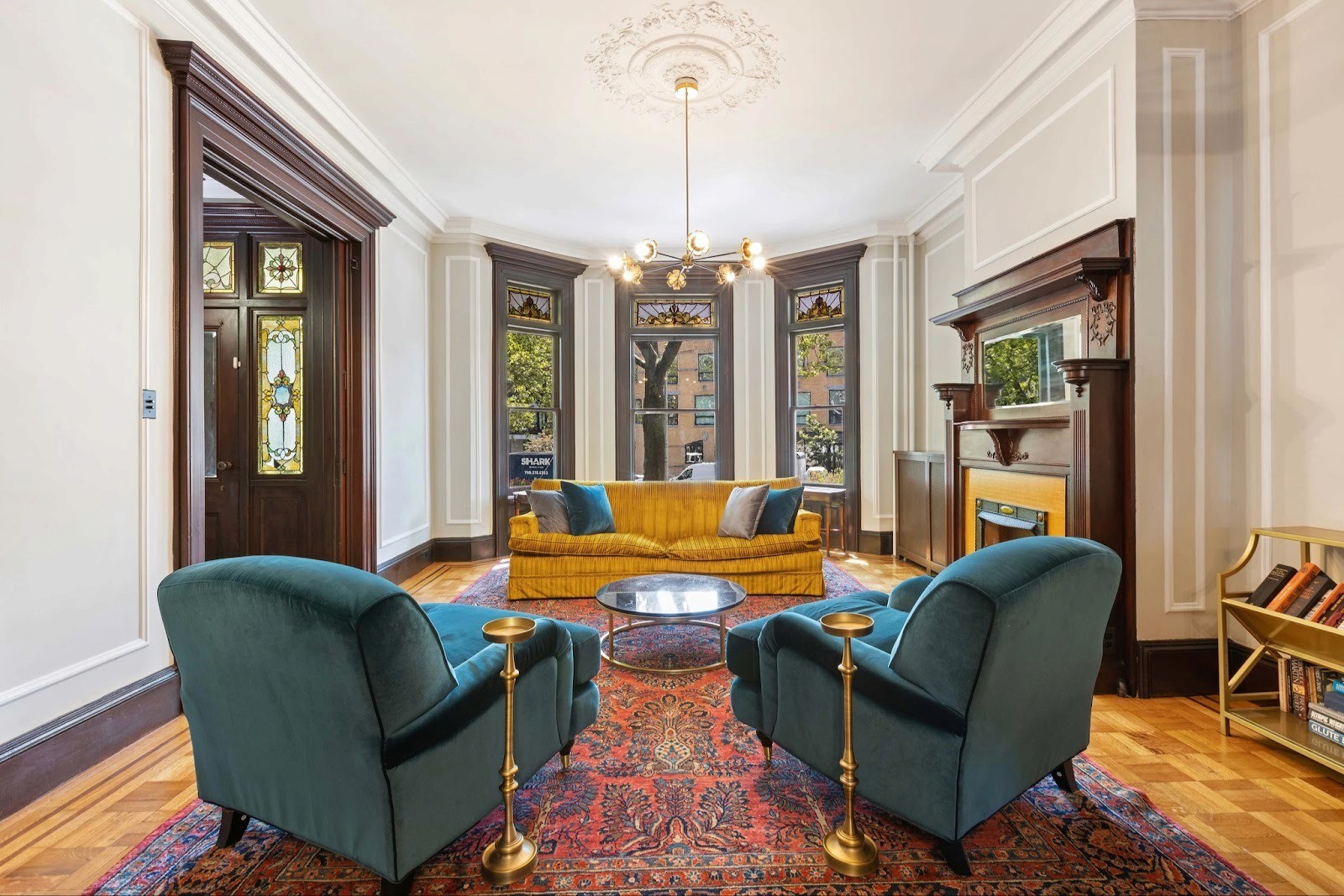
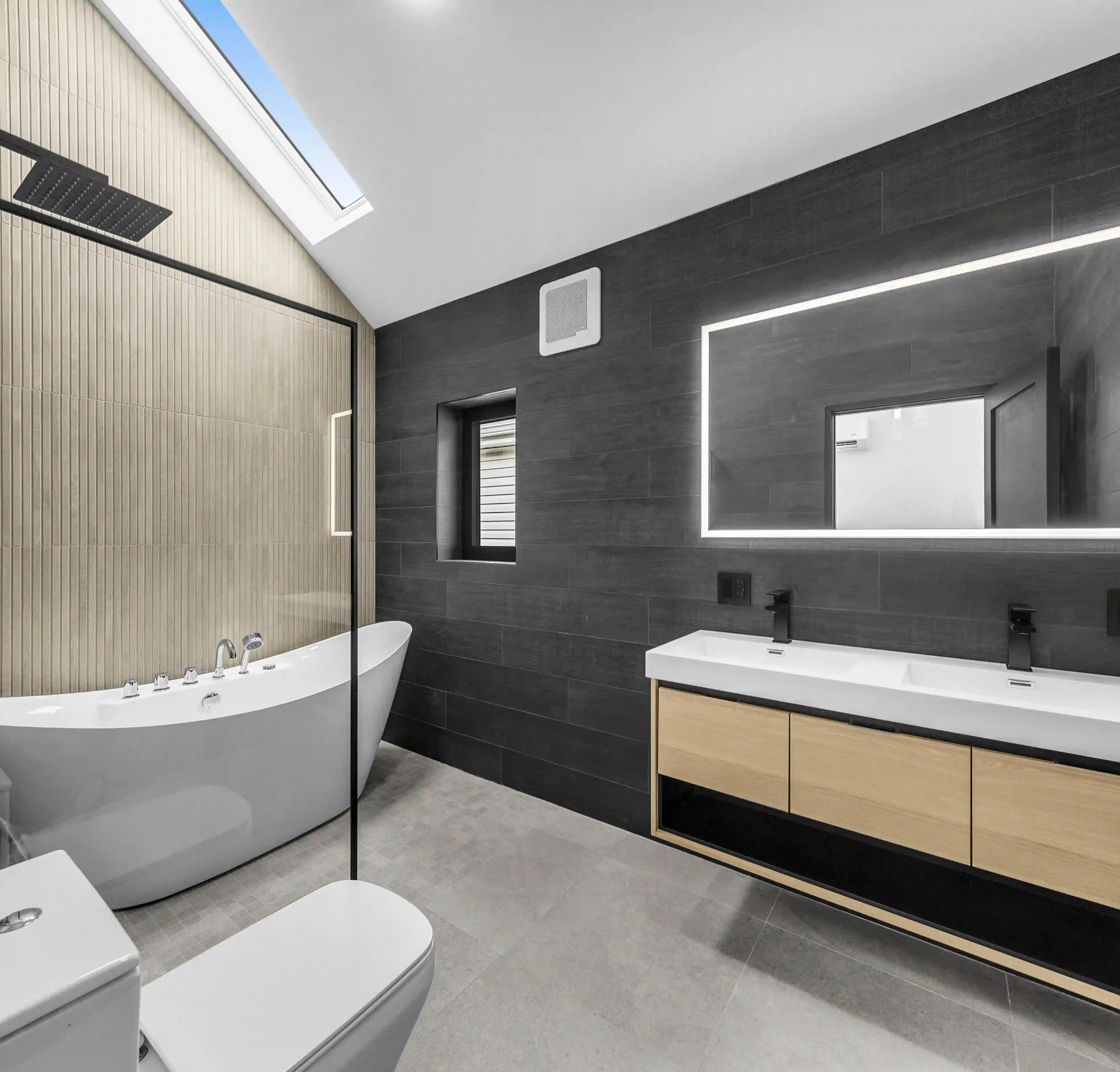
Featuring the Townhouse designed and constructed by 2MO.
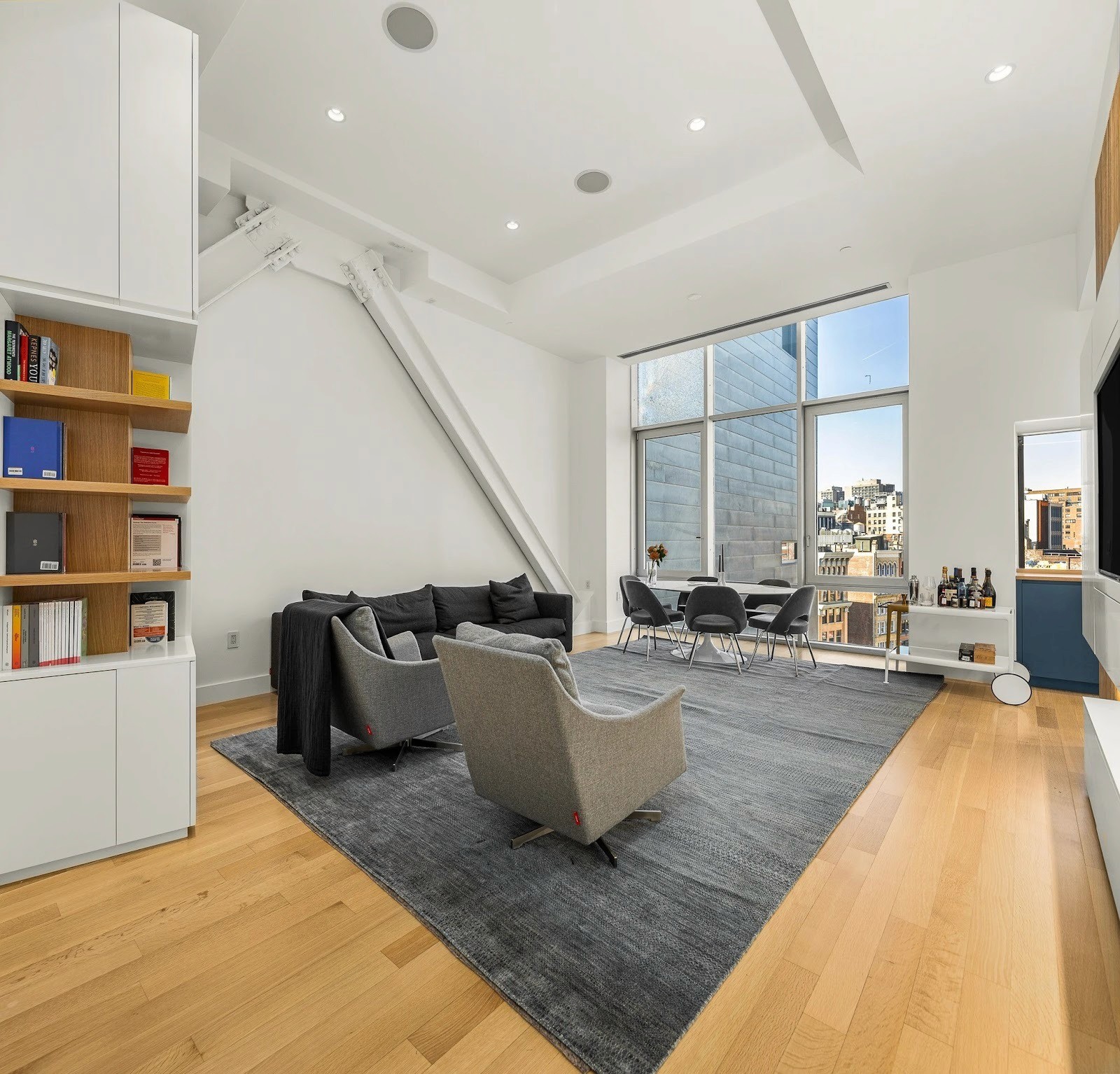
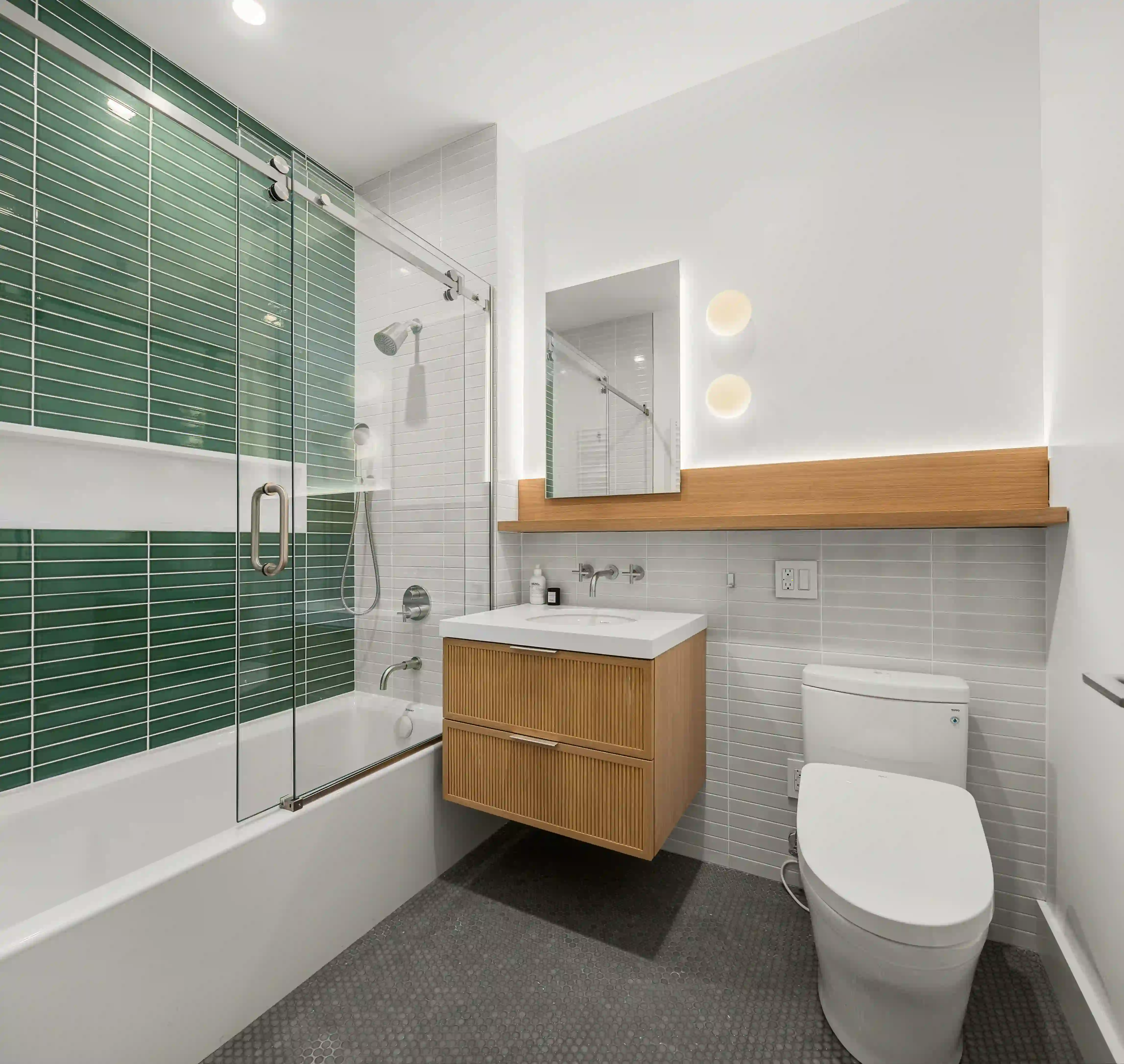
Featuring the Gut Renovated Apartment with Custom Millwork designed and constructed by 2MO.
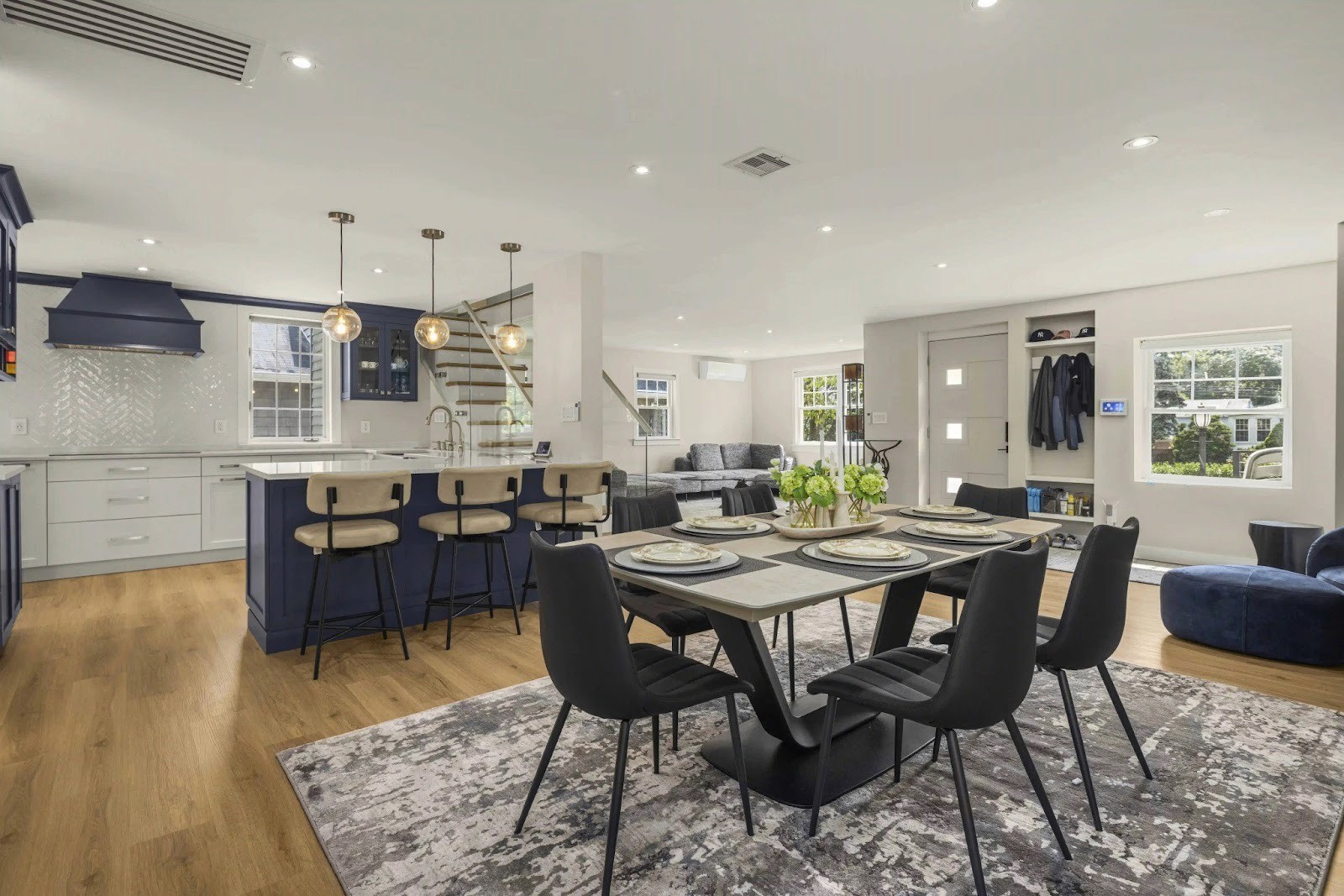
Featuring the Lakeview Project designed and constructed by 2MO.
Finding inspiration in successful projects can help you envision possibilities for your own home. The examples above showcase different approaches to home addition design, from contemporary extensions to traditional expansions that maintain period details.
Notice how each design addresses the critical junction between existing structure and new space. The most successful additions create a visual conversation between old and new elements rather than an abrupt transition.
A thoughtfully designed home addition transforms not just your living space, but how you experience your home every day. By focusing on seamless integration, functional flow, and architectural harmony, you can create an addition that feels like it was always meant to be part of your home.
Whether you're in the early dreaming phase or ready to start drawing plans, investing time in proper design planning will pay dividends in both enjoyment and home value for years to come.
Transform Your Home With Expert DesignOur team of experienced designers specializes in creating home additions that perfectly blend with your existing structure while maximizing functionality and value. |
A well-thought-out home addition design can completely transform your space, giving you the extra room you need without sacrificing style or flow. Whether you're adding a bedroom, expanding the kitchen, or building upward with a second story, the design process is crucial for blending the old with the new. In this guide, we'll walk you through key types of home additions, the design principles behind successful projects, and how working with the right professionals can ensure a seamless transformation.
Why Good Home Addition Design Matters
Blending New Space Seamlessly With the Old
The most successful home additions don't look like additions at all. When designing a house addition, the goal is to create a space that appears as though it was always part of the original structure. This requires careful attention to architectural details, rooflines, window placement, and exterior finishes.
A seamless home expansion maintains the character and style of your existing home while adding valuable square footage. This integration not only preserves your home's aesthetic appeal but also maximizes its market value should you decide to sell in the future.
Improving Function, Flow, and Long-Term Value
Beyond aesthetics, functional home design plans consider how you'll actually use the new space. The best additions improve traffic flow throughout your home, enhance natural light, and address specific lifestyle needs that your current layout can't accommodate.
A thoughtfully designed addition can transform how you experience your home daily. Whether it's creating a more spacious kitchen for family gatherings, adding a primary suite for privacy, or building a home office for productivity, good design aligns with how you live.
Popular Types of Home Additions
Second-Story Additions
Featuring the A Reimagined Facade with Historic Geometry constructed by 2MO.
When lot size constraints make expanding outward impossible, building up offers a practical solution. Second-story additions can double your living space without sacrificing yard area, making them ideal for urban and suburban homes on smaller lots.
These custom home additions typically include bedrooms, bathrooms, or even a complete primary suite. The key to successful second-story design is ensuring proper structural support and creating a cohesive exterior appearance that doesn't look top-heavy or mismatched.
Rear Extensions or Sunrooms
Rear extensions and sunrooms are among the most popular room extension ideas because they typically don't affect your home's street appearance. These additions can house expanded kitchens, family rooms, or light-filled sunrooms that connect indoor and outdoor living.
The best rear additions consider space planning for home expansion by creating a natural flow between existing rooms and new spaces. They also maximize natural light and views while maintaining privacy from neighboring properties.
Garage Conversions and In-Law Suites
Converting an existing garage or adding a dedicated in-law suite provides flexible living space for extended family, guests, or rental income. These additions typically include a bedroom, bathroom, and sometimes a kitchenette or living area.
The design challenge with these spaces is creating independent living areas that still connect harmoniously with the main home. Successful conversions address separate entrances, sound insulation, and privacy concerns while maintaining the home's overall aesthetic.
Key Principles of Smart Home Addition Design
Matching Architectural Style and Materials
The most successful home addition floor plans prioritize consistency with your existing architecture. This means matching rooflines, eaves, siding materials, window styles, and even the proportion and scale of architectural elements.
While exact matches aren't always possible (especially with older homes), skilled designers can create complementary transitions that honor your home's character. Sometimes, strategic contrasts can work when they're intentionally designed as a visual "bridge" between old and new sections.
Maximizing Natural Light and Flow
Featuring the Lincoln Residence designed and constructed by 2MO.
House layout changes should enhance, not hinder, your home's natural light and circulation patterns. Well-designed additions incorporate strategic window placement, open floor plans, and transitional spaces that guide movement naturally between old and new areas.
Consider how doors, hallways, and room arrangements affect daily traffic patterns. The best architectural design for additions creates intuitive pathways that make sense for how you actually live in and move through your home.
Considering Zoning Laws and Setbacks
Before getting too attached to any design concept, research your local building codes and zoning regulations. These rules dictate how close you can build to property lines, maximum building heights, and sometimes even aesthetic requirements for your neighborhood.
Working with professionals familiar with local codes can save significant time and frustration. They can help navigate setback requirements, height restrictions, and permit processes that might otherwise derail your project.
Need Help Navigating Building Codes?Local zoning laws and building codes can be complex. Our team of experienced designers can help you understand what's possible for your specific property. |
|---|
Working With a Home Addition Designer or Architect
Why Professional Design Pays Off
Image by Ivan Samkov fromPexels
While DIY design might seem cost-effective initially, professional residential architects bring invaluable expertise to home addition projects. They identify potential issues before construction begins, optimize space efficiency, and often suggest solutions you might not have considered.
Professional designers also understand the technical aspects of structural support, HVAC integration, electrical requirements, and plumbing considerations that affect both functionality and budget. Their expertise typically saves money in the long run by preventing costly mistakes and redesigns.
Getting Plans Approved and Permitted
Image by Jakub Zerdzicki from Pexels
The permitting process can be one of the most challenging aspects of home addition projects. Home designer services include creating the detailed documentation required by building departments and often managing the permit application process.
Professional designers familiar with local building departments understand common approval hurdles and how to address them proactively. This expertise can significantly reduce the time between design and breaking ground on your project.
Real-World Design Inspiration
Featuring the Townhouse designed and constructed by 2MO.
Featuring the Gut Renovated Apartment with Custom Millwork designed and constructed by 2MO.
Featuring the Lakeview Project designed and constructed by 2MO.
Finding inspiration in successful projects can help you envision possibilities for your own home. The examples above showcase different approaches to home addition design, from contemporary extensions to traditional expansions that maintain period details.
Notice how each design addresses the critical junction between existing structure and new space. The most successful additions create a visual conversation between old and new elements rather than an abrupt transition.
A thoughtfully designed home addition transforms not just your living space, but how you experience your home every day. By focusing on seamless integration, functional flow, and architectural harmony, you can create an addition that feels like it was always meant to be part of your home.
Whether you're in the early dreaming phase or ready to start drawing plans, investing time in proper design planning will pay dividends in both enjoyment and home value for years to come.
Transform Your Home With Expert DesignOur team of experienced designers specializes in creating home additions that perfectly blend with your existing structure while maximizing functionality and value. |
Transform Your Home With Expert Design
Our team of experienced designers specializes in creating home additions that perfectly blend with your existing structure while maximizing functionality and value.
Book Your Design Consultation

Transform Your Space with 2MO Studio
In the competitive landscape of Design-Build firms NYC offers, 2MO Studio stands out through our commitment to craftsmanship, transparent communication, and a streamlined process. Whether you’re planning a kitchen renovation, a complete home transformation, or a commercial space upgrade, our integrated approach eliminates the common frustrations of construction projects while delivering exceptional results.
By combining design expertise with construction knowledge under one roof, 2MO Studio creates spaces that are not only beautiful but also functional and built to last. Our deep understanding of New York City and Westchester’s unique challenges ensures that your project navigates local regulations smoothly while addressing the specific characteristics of your building or neighborhood.
CUSTOMER REVIEW
5.0
"We hired 2MO to work on our brand new flagship store on 99 Madison Avenue, and we could not be happier with their service."
Roberto De Franceschi
Managing Director - Boffi | De Padova New York

5 Stars (32 reviews)

5 Stars (22 reviews)
YOU MAY ALSO LIKE